
DigiArt, the team behind Road 96, returns with a new game built around one of the most interesting mechanics I’ve seen in years. On the surface, Tides of Tomorrow presents itself as a narrative solo experience, but underneath, you’re following in the footsteps of another player, dealing with the consequences of their decisions. The real question is whether that idea can carry the experience once the novelty wears off. Let’s dive in.
We’re all linked
Tides of Tomorrow is a lot more than the narrative single-player adventure it initially appears to be. When you start the game, you select your character, but you also choose the player whose story you want to follow. That’s where the game’s unique story-link mechanic comes into play.
Once you’ve made that choice, their actions begin to shape the world around you. If they failed to sneak past guards or angered someone in power, you’ll have to deal with the consequences, like more aggressive enemies in the same areas. This ripple effect from the player before you is what makes the game stand out and creates a strong sense of connection to the world and its inhabitants.
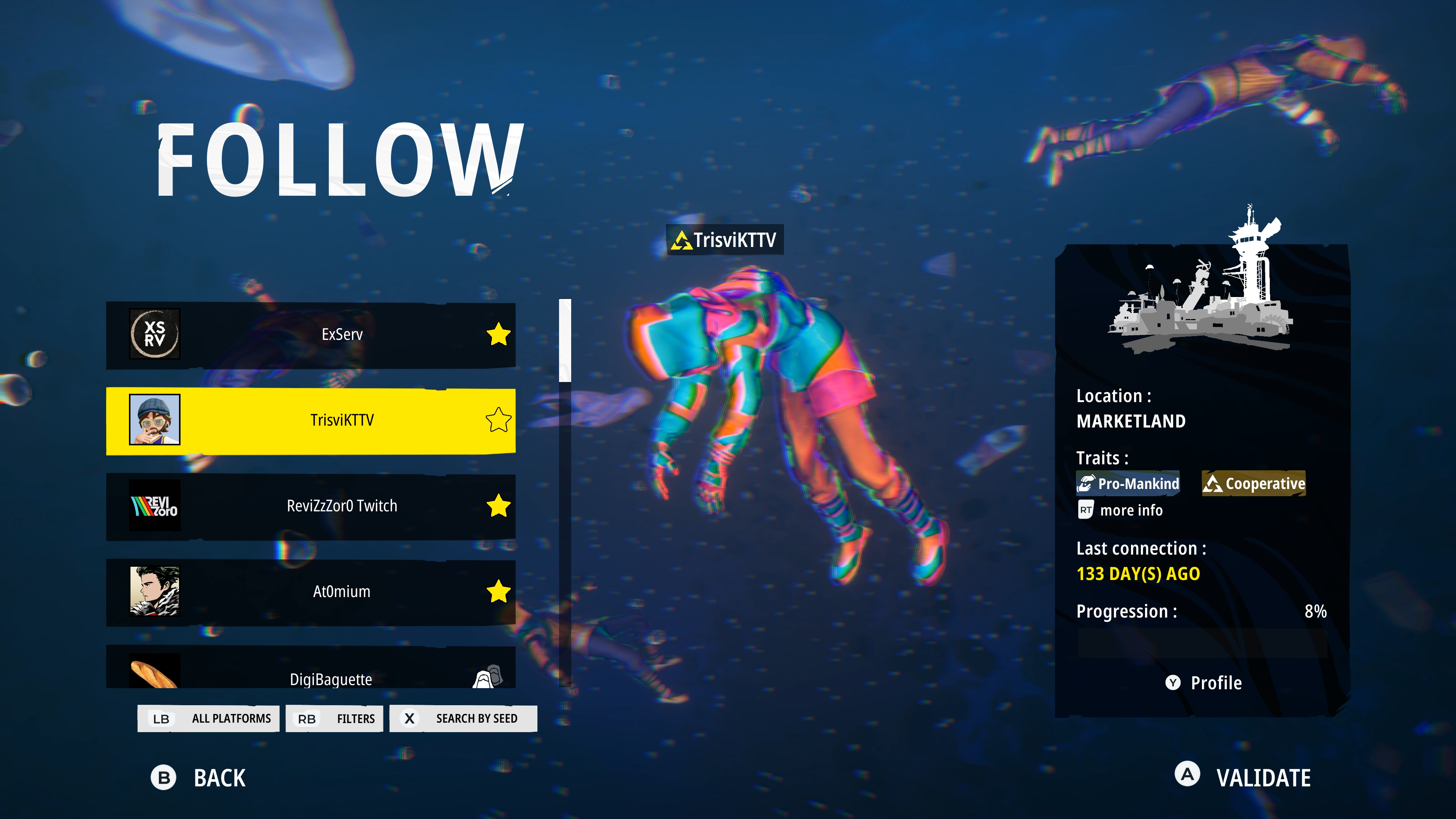
What’s even more impressive is how NPCs remember the Tidewalker before you, including how they interacted with them. It’s not just about branching dialogue or small reactions; it can reshape entire situations. At the same time, your actions don’t exist in isolation either. You’re a Tidewalker too, someone who can see fragments of what came before. You can trace the path of the previous player, see how they approached puzzles, and whether they left resources behind.
That creates an interesting tension. Do you take everything for yourself, or do you leave something behind for the next player, knowing they might need it more? In a flooded world threatened by a mysterious virus, that sense of connection feels very natural and carries a powerful message with it.
We share the responsibility
The story and setting are at the heart of Tides of Tomorrow. The flooded Earth is populated by the last few hundred survivors, alongside mysterious sea creatures and, of course, an overwhelming amount of plastic waste. There isn’t much exposition, but the message still comes across as a bit heavy-handed. Plastic is everywhere, in the water, in buildings, even in the air, and it has led to a disease called Plastemia, which slowly turns your body into plastic. It sounds like the plot of a B-movie, and it kind of is. I appreciate the game trying to deliver an important message, but I’m not fully convinced by how it’s presented. At times, it feels a bit too on the nose for my taste.
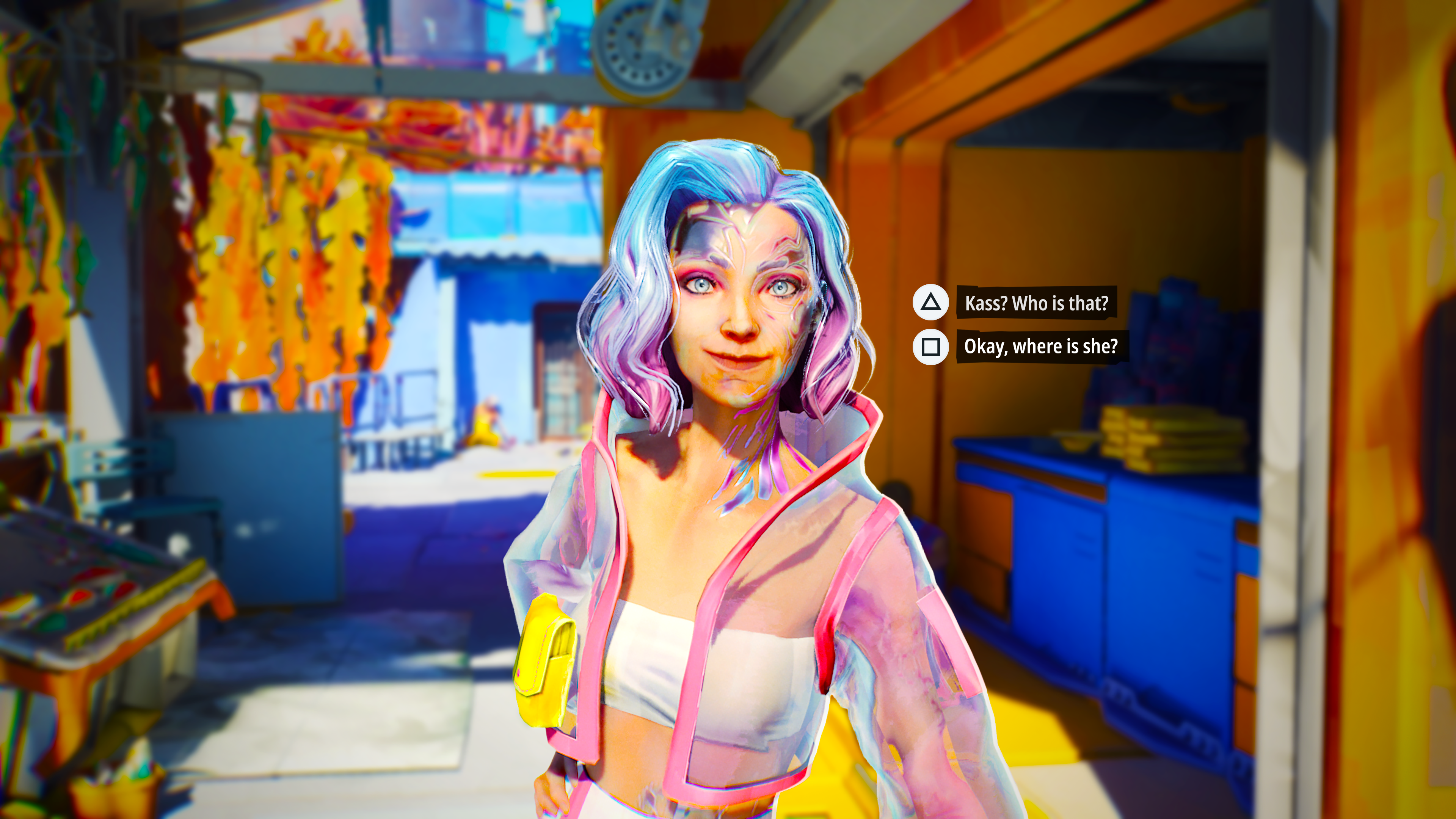
The story itself isn’t bad, and the dialogue, along with the choices tied to it, is fleshed out enough to stay engaging. Still, something feels missing. While it’s interesting to see how your decisions shape the narrative, there’s little emotional connection to the characters, and few moments that really stick with you. That’s a shame, because the core mechanic is so strong. It deserves a story that pulls you in just as much as the system driving it.
Gather resources, survive, repeat
In order to survive, you’ll need to gather Ozen, a rare medicine that’s being hoarded by powerful factions. It’s not always easy to get your hands on it, and once you do, you’re faced with a choice: keep it for yourself or leave it behind for the next player. Beyond that moral dilemma, the gameplay loop itself is fairly straightforward. Most of the time, you’re sailing around on your boat, gathering resources and dealing with the different factions across the world. Meeting them is interesting at first, as each has its own perspective on the world and its problems, but those differences rarely have a meaningful impact.
Before long, I found myself repeating the same routine: sailing, collecting resources, exploring small islands, and deciding what to keep. That’s not necessarily a bad thing, but it never quite lives up to the strength of the story-link mechanic. In the end, it feels a bit underutilised.

What I do appreciate, however, is how your decisions shape your character over time. Depending on your choices, you can lean towards being pro-mankind, a survivalist, pro-nature, a troublemaker, or more cooperative. What makes it more interesting is that you immediately notice those traits when you start following another player. You can choose someone with a similar mindset or go for the complete opposite to see how their decisions impact your world. It adds an extra layer to the system, and I can definitely see this becoming a great fit for streamers, where communities can actively influence those choices.
Conclusion:
Tides of Tomorrow introduces one of the most interesting gameplay mechanics in years, but it’s not without its flaws. The story lacks some depth, and the gameplay loop can become repetitive a bit too quickly. That being said, it still stands out as one of the more unique games out there and deserves credit for that. If you’re looking to try something different, this might be worth your time.