
When the original Nintendo Switch launched in 2017, it wasn’t just a new console; it was Nintendo’s answer to the problems they faced after the Wii U. The company had to come up with a solution and bring back innovation to the market. The answer? A portable that was also dockable! Local multiplayer anywhere? It was messy and magical in equal measure. And it worked. Over the years, it became the go-to system for indie developers (renamed to Nindies), Nintendo’s signature IPs, and the kind of joyful experimentation that only Nintendo dares to pursue.
Now, in 2025, the Nintendo Switch 2 lands with a quieter promise. It doesn’t reinvent the hybrid concept but refines it. It’s the same Switch at heart, but everything’s just better. Sharper screen, faster internals, more thoughtful design choices, and finally, the horsepower to back it all up. We’ve spent a month with the system and checked out if this should have been called the Switch 2 or if this is indeed the next evolution for the Switch line.
First impressions
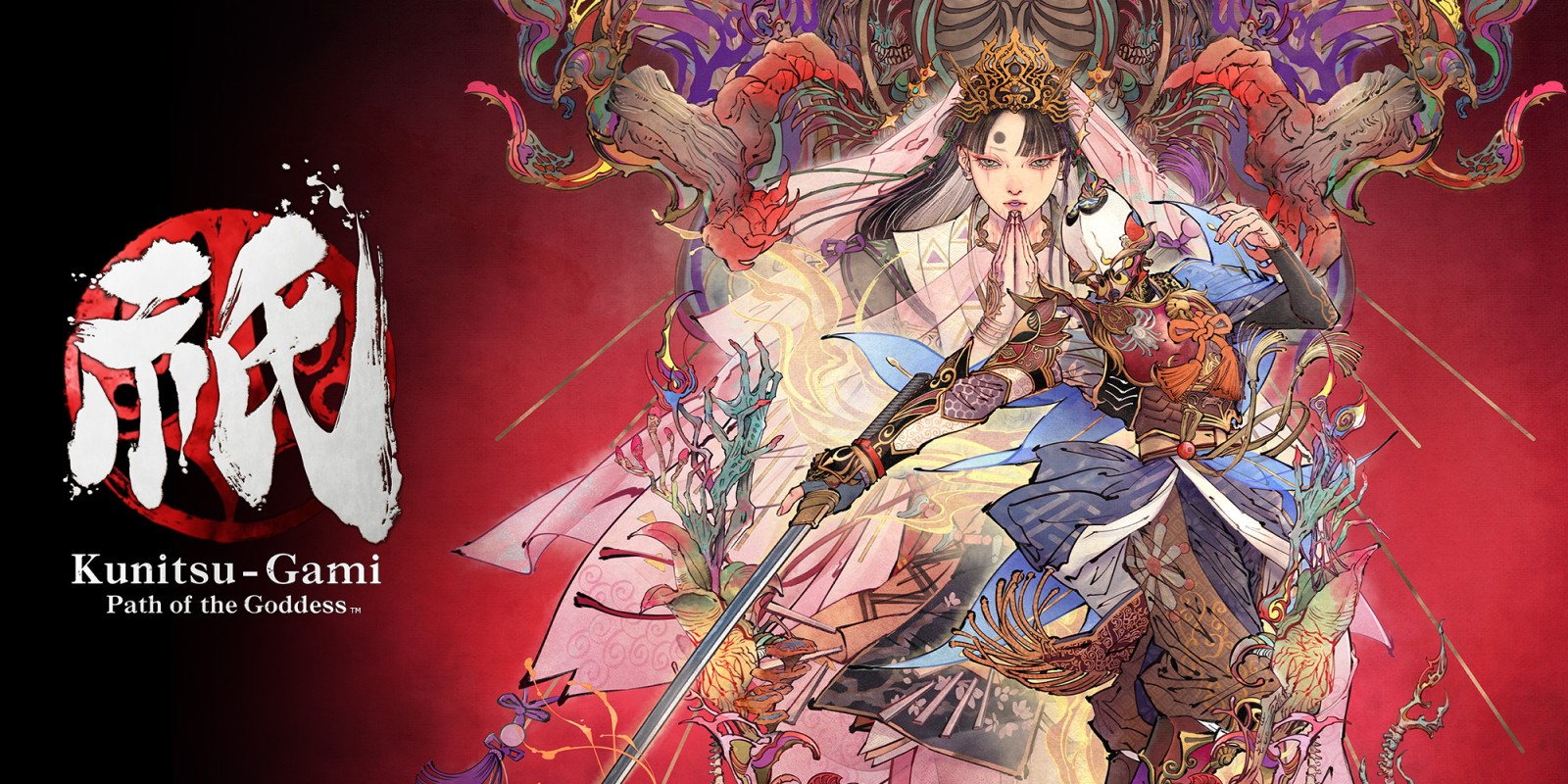
From the outside, the Switch 2 keeps the same form factor, but you’ll notice the changes the moment you pick it up. The device feels more premium, no longer toy-like, but like something that deserves a spot next to your TV. The shell features a more solid construction, utilizing better materials and a subtle texture that provides a better grip in handheld mode. The improved screen is now up to industry standards and doesn’t underperform for an OLED, slightly larger with thinner bezels and colours that pop—playing Kunitsu-Game or Hollow Knight on this thing feels like you’ve just cleaned your glasses for the first time in years. Blacks are truly black, and the brightness boost is noticeable even in daylight. The kickstand, which allows for playing games in tabletop mode, returns with a broader and sturdier hinge. It works now, making tabletop play a viable option, not just an awkward party trick, especially when paired with the mouse mode.
Audio has also received a glow-up. The new speakers deliver clearer highs and richer bass, especially noticeable when playing handheld without headphones. In games like Metroid Dread, the environmental soundscapes wrap around you in ways the original Switch couldn’t deliver. Oh, and the fan is quieter too, especially when compared to its peers, such as the Steam Deck and ROG Ally series. It’s the little things, but those are the things that matter when you spend a certain amount of money on a console like this.
Lander: When I first got my hands on the Nintendo Switch 2, I was a bit skeptical because it just looked like a bigger version of the original. After playing with it for a month, I see that it is so much more than just that. It feels like a next generation rather than an upgrade, and everything about the design clicks. From the bigger Joy-Con to the black finish and weight, the Switch 2 is a very modern console that fits my hands way better than the original one ever did. Sure, the screen is LCD, but as a Switch OLED owner, I don’t really miss the OLED that much. The LCD, in combination with HDR, makes colors pop and games shine. For me, this feels like an upgrade comparable to the Game Boy line back in the day. Yes, it retains the same idea and doesn’t innovate significantly, but it does feel like a true next-generation product in that line, not just a simple upgraded Pro version.
Joy-Con fixes
Let’s talk Joy-Con; Nintendo’s most brilliant idea and biggest headache. While the overall design stays the same, they’ve finally addressed the dreaded drift issue. After years of denial and lawsuits, it appears that Nintendo has quietly re-engineered the internals here. Over the course of more than 30 days of testing, I encountered no issues. They also feel more tactile, with clickier buttons, better analog resistance, and slightly improved ergonomics, especially when used detached from the keyboard. There’s even a bit more weight to them, which helps with precision. If Joy-Cons have burned you in the past, these finally feel trustworthy. I haven’t replaced my Switch 1 Joy-Con once, so I can’t say I’m an expert on the subject of drift, but it’s good they did some tinkering with the system.
Lander: I have to agree with Nick here, after a month of playing all types of games, I haven’t encountered any drift just yet. I’m hearing a couple of users are experiencing drift again, so it is a bit of a shame Nintendo didn’t completely fix the hardware, but it’s a vast improvement for sure. What I like most about the Joy-Con is their size; they are significantly larger, making it way more fun to play in local co-op. Playing with just one Joy-Con is a huge improvement since the buttons aren’t cramped together anymore, and it actually serves as a decent standalone controller. I love them in handheld and tabletop co-op, but when I played docked, I still prefer the Switch 2 Pro Controller, which is simply the best controller Nintendo ever created.

Game performance and comparison to Switch 1
Performance-wise, the Switch 2 finally brings the hybrid concept up to modern standards. Games load faster, frame rates are steadier, and load stutters from the original hardware are gone. Tears of the Kingdom, for example, ran like a miracle on Switch 1, but it struggled. On Switch 2? It finally feels finished, mid-air dives, ultra-hand puzzles, and large-scale fights run without a hitch. Smash Ultimate boots up faster and runs as smoothly as ever, even in chaotic matches. Splatoon 3 benefits from snappier matchmaking and shorter post-match downtime. Even smaller titles like Celeste and Dead Cells feel crisper.
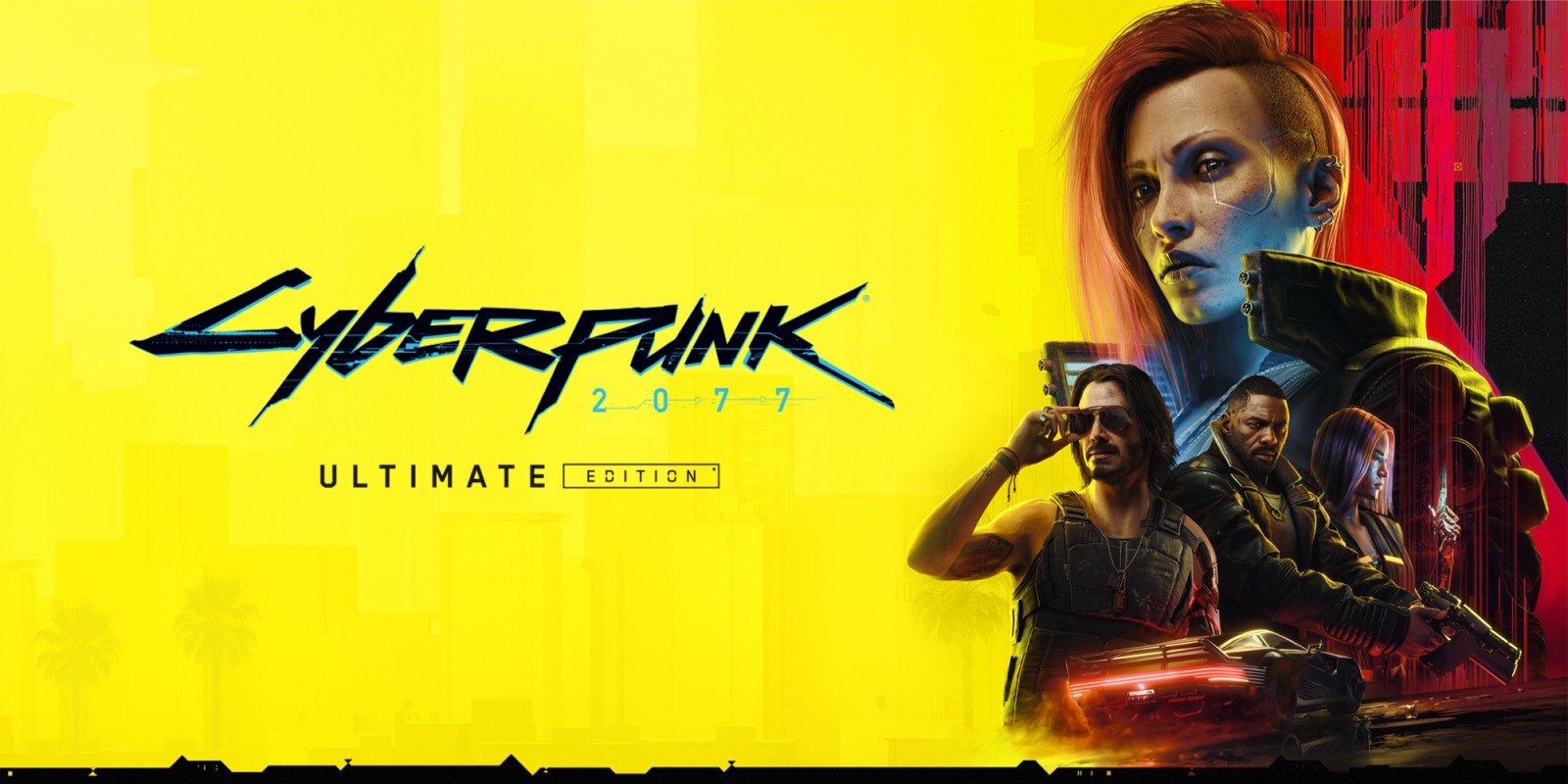
Where things get interesting is with more demanding third-party games. Cyberpunk 2077 is finally playable; no cloud streaming, no “Switch version with quotes around it.” It has been rebuilt to run locally on Switch 2’s upgraded hardware, and while it may not look as sleek as on PC or PS5, it holds up exceptionally well. There are visual compromises, reduced lighting effects, and softer textures, but it plays fluidly and consistently hits 30fps, docked or handheld. And the fact that it even runs offline on a Nintendo handheld is kind of a technical punchline, and yet here we are. I can’t wait to see what Projekt Red comes up with next.
Then there’s Mario Kart World, which is Nintendo’s first Switch-exclusive title to showcase what the new system can do. It’s faster, with wider tracks, denser effects, and multiplayer options, in which you can race with 24 people at the same time, with no noticeable drops in performance. Lighting reflects dynamically off puddles and drift sparks. It’s subtle, but it adds to the intensity. The UI is slicker, and load times are near-instant; blink and you’re already in the next race. If Mario Kart 8 Deluxe was the definitive arcade racer, World feels like the sequel that justifies a whole new generation.
And of course, there’s the upcoming Pokémon Legends: Z-A, which, finally, feels like Game Freak is developing without a ball and chain. The gameplay footage showcased the city of Lumiose as a denser and more vibrant place than anything seen in the franchise, with real draw distance and a proper sense of verticality. Battles seem seamless, frame rate holds steady even with particle effects flying, and, most miraculously, pop-in is kept to a minimum. I still might not be the perfect ‘all generations in one game ’ game, but it’s miles ahead of Scarlet & Violet. You don’t have to squint and say “it’s good… for a Pokémon game.” It’s just good, period, and I can’t wait to have a go with it.
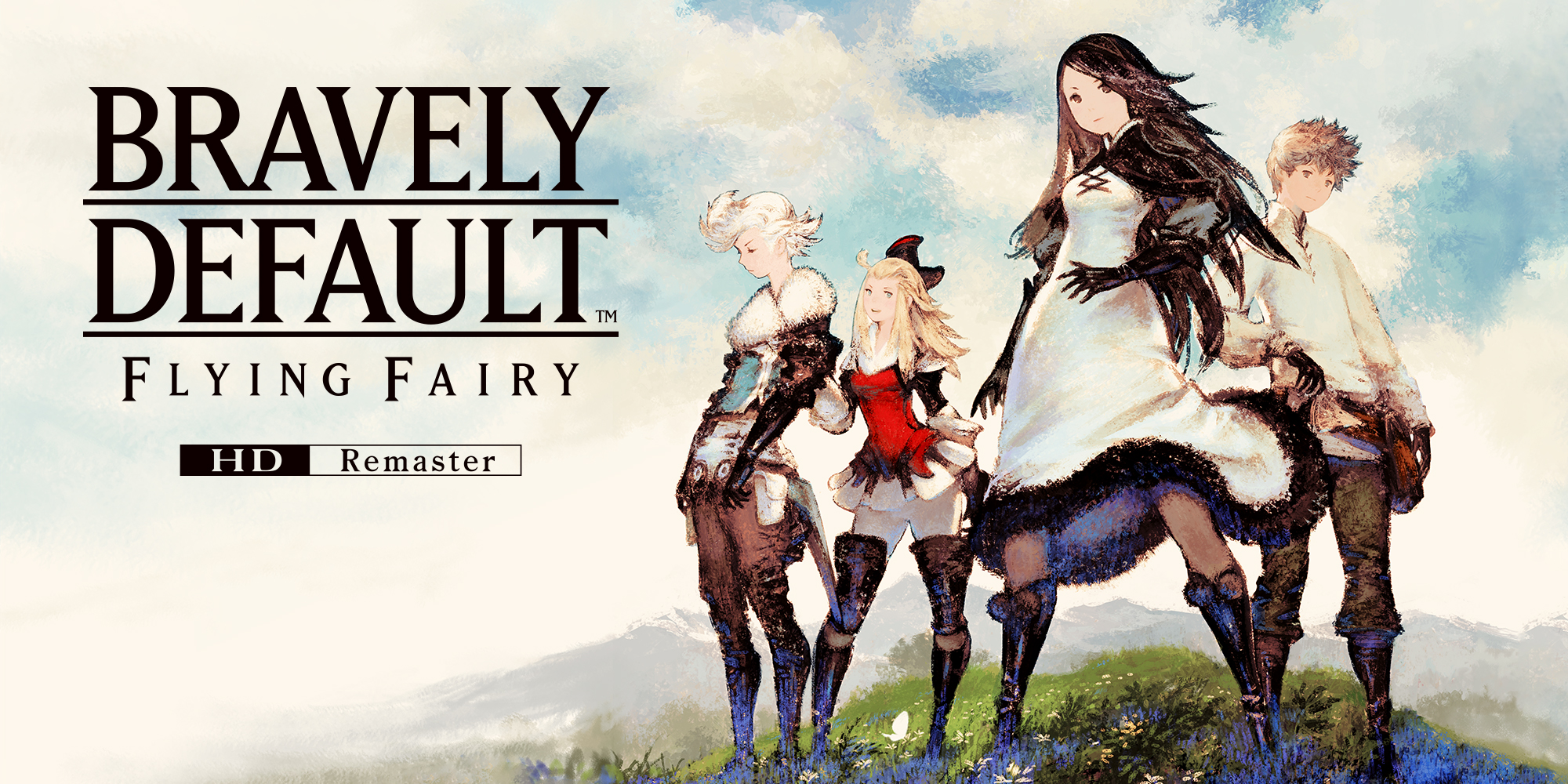
One of the more under-the-radar additions is native mouse and keyboard support. While it doesn’t turn the system into a desktop replacement, it’s surprisingly handy. Civilization VI plays much more naturally with a mouse; it’s faster, more intuitive, and finally feels like the game was meant to be here. But the real surprise is how well it pairs with turn-based RPGs like Bravely Default & Nobunaga’s Ambition. For both the minigames found in Bravely Default and the complex Japanese management simulator, there are no longer excuses to play these games on a system with either a stylus or a mouse, since the Nintendo Switch 2 offers both options at a much better performance than its competitors.
Lander: When you buy a next-generation console, you buy it to see the improvements in your games, and let me tell you, the jump from Switch 1 to Switch 2 is pretty insane. I hear a lot of people complaining online that the Switch 2 should have just been called the Switch 1 Pro, but I disagree. The jump in power is comparable to the jump that PlayStation made between 3 and 4, or 4 and 5. Sure, the console looks very similar, but I played games on my Switch 2 that simply aren’t possible on Switch 1 or a Switch 1 Pro. Cyberpunk and Hogwarts Legacy are perfect examples of what the Switch 2 is capable of, and Mario Kart World also demonstrates the power of the console perfectly. With ray-tracing, 4K upscaling, and a considerable increase in RAM, the Switch 2 does what the Switch 1 couldn’t. Also, keep in mind that this is just the first month, but when my Switch 2 games often come close to the Xbox Series S version, I know I’m once again playing with power. It’s been a while since Nintendo focused on raw power, so I’m happy to see this console is a portable beast. I do hope we’ll get more third-party support in the coming months and simultaneous releases with the other consoles.
On the gaming side itself, it’s a rather safe launch with Mario Kart World to carry the weight, since the console is breaking records all over the world, it clearly isn’t holding gamers back from jumping in. With the amazing Donkey Kong Bananza just days away, we’ll witness another killer first-party game utilizing the power of the new system. That being said, let’s hope Nintendo gives us a glimpse into the future quickly because my only concern with the console today is that it still needs a lot more games… That being said, I am currently replaying The Legend of Zelda: Link’s Awakening and Pokémon Violet, two games that received a free Switch 2 upgrade but feel like true remasters instead. Those free Switch 2 upgrades are pretty crazy since both games really feel like something new, and it finally motivates me to finish both stories. So is it a Switch Pro? Well… It’s kind of both. It’s a generational leap, but thanks to the insane backwards compatibility, your older games run better than ever. So yes, it’s a Pro model but also a true successor. Two for the price of one.

Backwards compatible & battery Life
Crucially, the Switch 2 respects your library. Backward compatibility is here and works seamlessly. Pop in a cartridge or download from your old account, and you’re off. Joy-Con from the old system still syncs. Even your save data transfers easily if you’re set up through Nintendo Online. The message is clear: this isn’t a hard reset, it’s an evolution. With the addition of a new SD card, the Nintendo Switch 2 runs on Express Cards instead of regular SD cards.
Not everything is perfect. Battery life does take a hit compared to the OLED model, but it still depends on the game, and marathon sessions of Bravely Default and Cyberpunk will chew through it faster than you’d like. The dock now supports 4K output through DLSS, which is a clever compromise. Games like Mario Kart 8 Deluxe and Pikmin 4 look noticeably sharper on a 4K screen, though don’t expect native ultra-HD visuals. Nintendo’s still not chasing the PlayStation and Xbox arms race, and that’s fine. It’s chasing fun, and now it has the tech to back it up.
Conclusion:
The Nintendo Switch 2 isn’t a dramatic reimagining, but it doesn’t need to be. It’s a smarter, faster, and sturdier version of one of the best consoles ever made. For longtime fans, it’s a no-brainer upgrade. For newcomers, it’s the definitive way to experience everything from Breath of the Wild to Bravely Default, from Cyberpunk to Mario Kart World. Nintendo didn’t flip the table. They just cleaned it up, relit the room, and gave us a better seat, and it might just be the best seat at the table.
