
There are games that chase nostalgia, and then there are games that embrace it like an old friend, stare it straight in the eyes, and dare it to evolve. Final Fantasy VII Remake Intergrade on Nintendo Switch 2 belongs unapologetically to the latter category. This is not merely a port, not just a technical flex, and certainly not a simple visual upgrade. It’s a carefully sculpted bridge between generations, between memory and modernity, between the quiet awe of 1997 and the cinematic ambition of today. Booting this adventure up on Nintendo’s newest hardware feels strangely poetic. A story once bound to CRT screens and polygonal dreams now lives comfortably in your hands, ready to travel with you, ready to redefine what a “classic” can become. This is a true rediscovery of Midgary. Or if you are like me, a first-time adventure to the Mako fuelled dreams. With a big thanks to Square Enix for giving me the space to fully embrace this game before it launches.
Oh, and answer me this. My wife’s main takeaway from Final Fantasy VII was how Cloud attached his sword to his back. She said “velcro,” and now I can’t unsee it. Let’s dive in.
For the Steam Deck review, I kindly direct you right here (it also redirects you to the original PlayStation 4 and 5 reviews):
Review: Final Fantasy VII Remake Intergrade on Steam Deck
Returning to Midgar without looking back
At its core, Final Fantasy VII Remake Intergrade retells the opening chapter of one of gaming’s most legendary narratives. Yet calling it a retelling almost feels insulting. This is a reimagining, an expansive re-contextualisation that respects the original’s heartbeat while rewriting its rhythm. And speaking of rhythm, one of my favourite artists made a concept album fully dedicated to the game, so put that on while you read my review, and it will not feel like a waste of time: Mega Ran x GameChops – Black Materia Remake
The tale begins in a city that feels less like a setting and more like a living organism: Midgar, a steel-and-neon labyrinth powered by ambition, fear, and the planet’s lifeblood. Into this world steps a mercenary with a complicated past and an even more complicated destiny, pulled into a conflict that blends resistance, identity, and the quiet hope that change is still possible. Classic Final Fantasy themes, cast into a new mold.
Veterans of the original will recognise the broad strokes immediately. The opening moments echo familiar beats: industrial skylines, underground resistance, and a city divided between privilege and poverty. But where the 1997 classic suggested depth through imagination, the remake commits fully, stretching the moments into scenes, scenes into chapters, and chapters into deeply human experiences. How dystopian they might look, Square Enix did an amazing job on the worldbuilding. Without spoiling anything, what stands out most is how the narrative breathes. Characters aren’t just plot devices anymore; they linger, joke, argue, and reflect on actions in-game. Relationships unfold naturally rather than being rushed through dialogue boxes. Emotional beats land harder because you actually live in them.
The remake also isn’t afraid to surprise returning fans. Certain moments feel eerily familiar yet subtly altered, as if the game itself remembers the original timeline and chooses to play with expectation. It’s respectful but bold, a rare balance that makes both newcomers and veterans feel like they’re discovering something new. (Yes, I read up on my Final Fantasy VII history years ago, so I know what the original entails). Most importantly, the story stands strong on its own. Even though it represents only the first chapter of a planned trilogy, it feels complete, purposeful, and meaningful, something designed to welcome newcomers while quietly rewarding longtime fans.
Remake vs Original: expansion without betrayal
Comparing this remake to its PlayStation 1 predecessor is inevitable, but the relationship between the two is far more collaborative than competitive. The original Final Fantasy VII told an enormous story with limited technical tools, relying on imagination and abstraction. The remake takes that foundation and asks a bold question: What if every implied moment could be fully realised?
Locations that once served as brief stops now feel like lived-in neighbourhoods (or slums). Conversations that once flashed across the screen now unfold with voice acting, subtle animation, and cinematic pacing. Events that once felt like stepping stones now feel like turning points. Yet the spirit remains intact. Themes such as identity, environmental responsibility, rebellion, and hope still form the backbone of the narrative. What changes is the emotional clarity. The remake doesn’t replace the original; it interprets it, much like a modern film adaptation might reinterpret a beloved novel. It’s also worth noting how carefully the developers avoid overwriting memory. Iconic moments still feel iconic. Familiar beats still resonate. The remake simply gives them the time and space they always deserved.

Gameplay: A hybrid system that feels instinctive and strategic
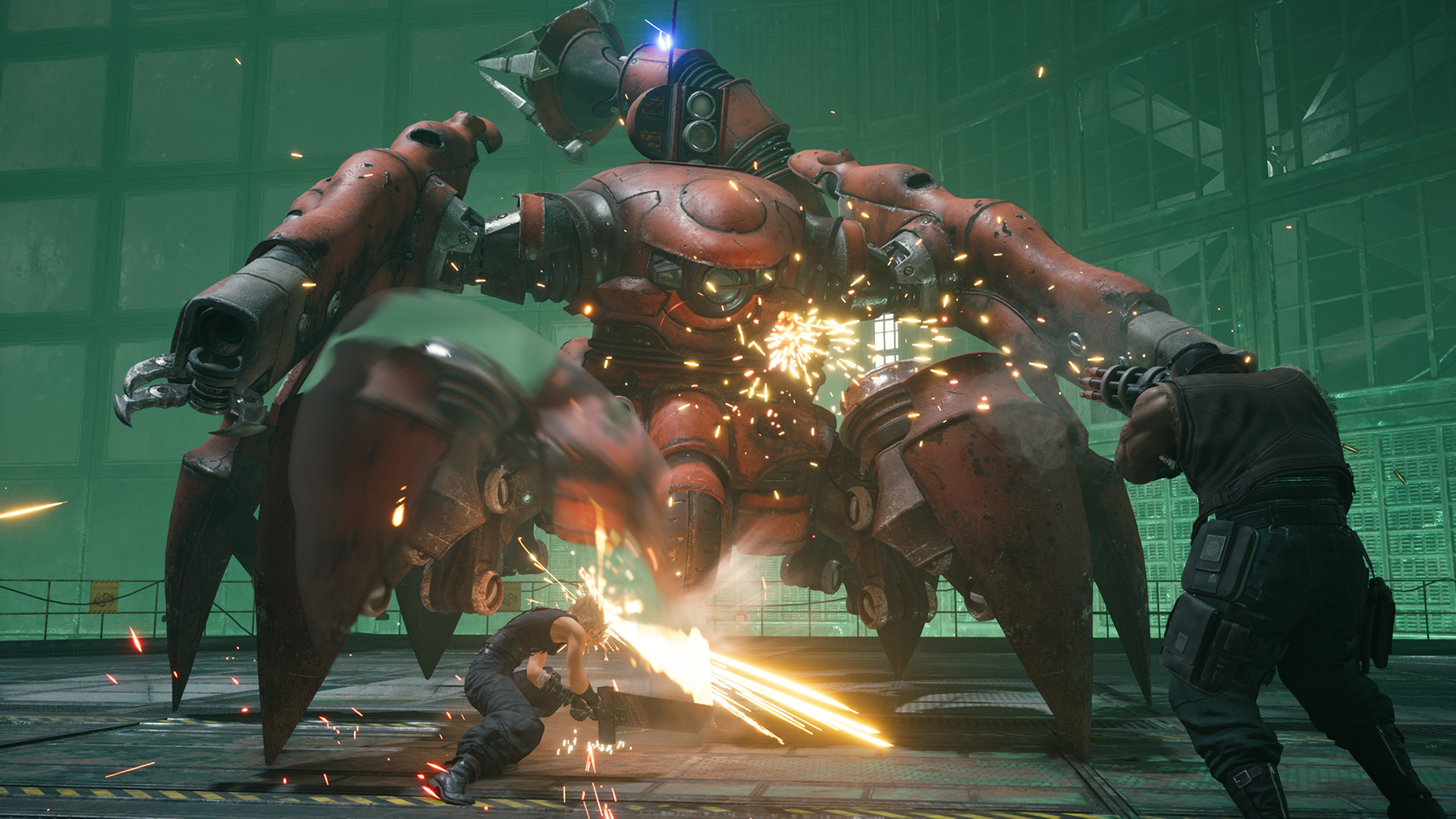
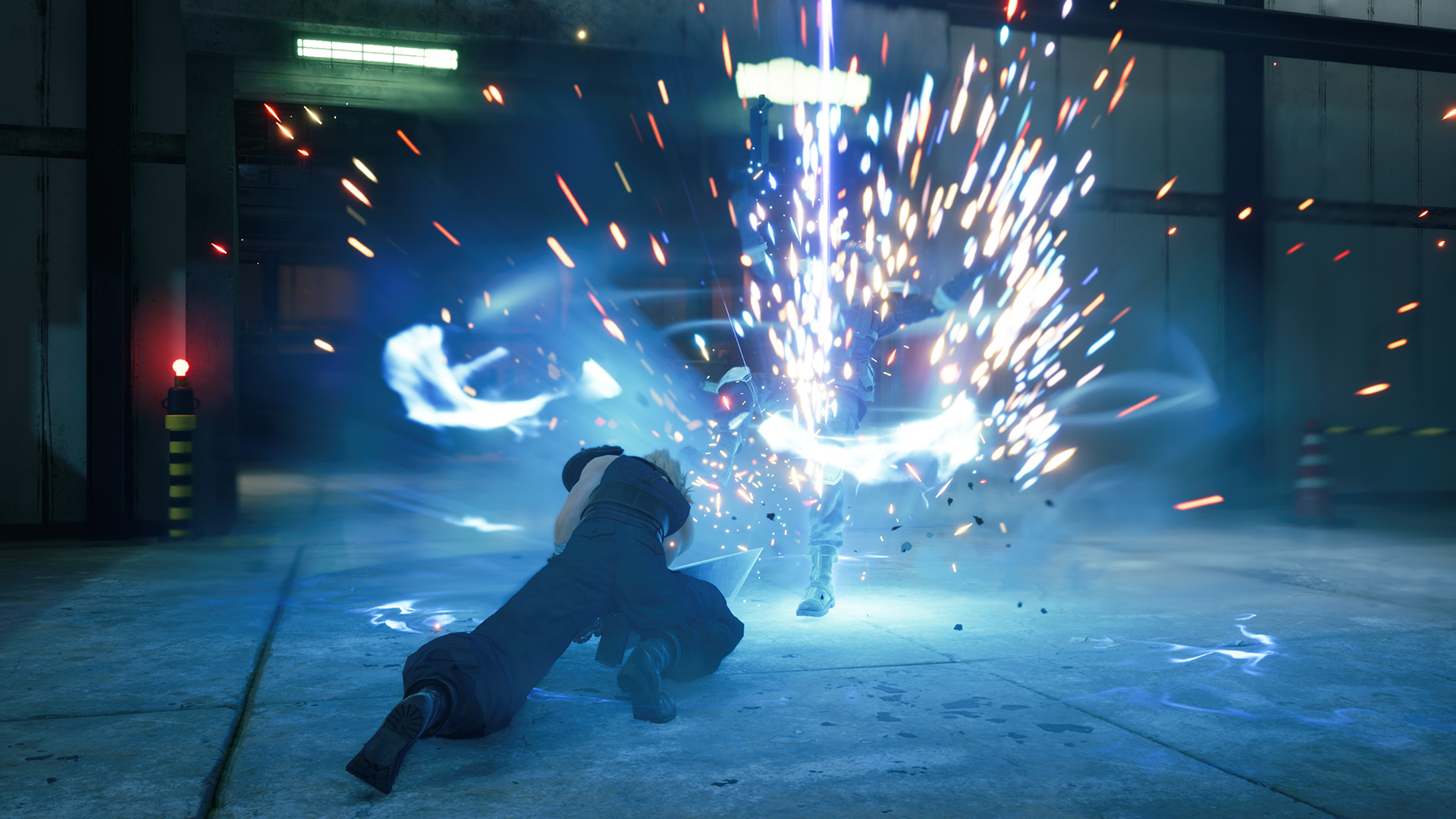
Final Fantasy VII Remake Intergrade’s combat system is one of its greatest triumphs, and might be my favourite way to play a Final Fantasy game to date. A hybrid blend of real-time action and strategic command-based decision-making results in smooth movement, fluid dodging, and basic attacks, while abilities, spells, and items are chosen through tactical menus that slow time, allowing thoughtful planning without breaking immersion. It’s a system that feels immediately accessible yet endlessly rewarding.
Playing as different personas
Each playable character feels genuinely distinct, not just cosmetically but mechanically. The sword-wielding protagonist Cloud excels in adaptable close-range combat, seamlessly switching between agile offense and heavy-hitting defensive stances. A gun-armed powerhouse named Barret anchors the team with ranged pressure and durability, soaking damage while supporting allies. A lightning-fast martial artist like Tifa thrives on relentless combos and stagger-building aggression. And a magic-focused character in the form of Aerith, a support character, balances fragile positioning with devastating spellcasting and lifesaving utility. Switching between them mid-battle becomes second nature, encouraging tactical thinking and synergy rather than brute-force button mashing.
How it differs from the PlayStation 1 version
Compared to the original turn-based Active Time Battle system, the remake feels more visceral and cinematic. Instead of waiting for commands, you’re constantly engaged, positioning, reacting, and adapting in real time. Yet the strategic DNA remains intact through ability cooldowns, elemental weaknesses, and stagger mechanics. The result is a system that honours tradition while embracing modern action sensibilities, a rare evolution that feels additive rather than disruptive. Weapons, upgrades, and Materia further deepen this complexity, allowing meaningful customisation without overwhelming newcomers. Every build feels intentional, and every encounter rewards experimentation.
Episode Intermission: Yuffie steps into the spotlight
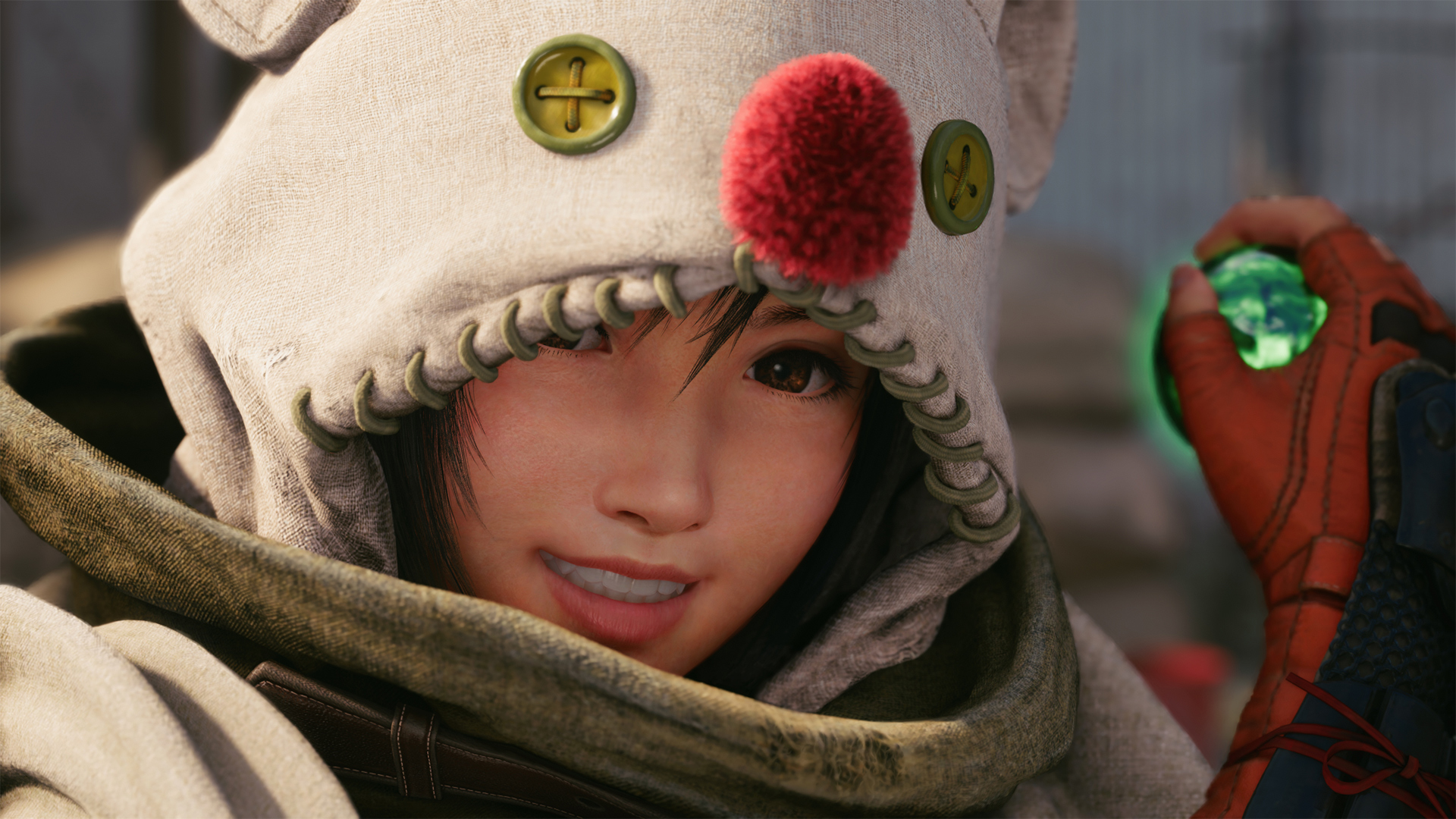
Beyond the main campaign lies Episode Intermission, a standalone story arc centred on a nimble ninja from a rival nation seeking powerful artefacts hidden within Midgar.
Narratively, this chapter provides a fascinating parallel perspective. While the main story focuses on resistance and identity, this side narrative explores loyalty, legacy, and cultural pride. It feels less like bonus content and more like a companion piece that enriches the world. Gameplay-wise, the experience is refreshingly distinct. Instead of controlling multiple characters, you primarily command a single agile protagonist whose throwing-star combat seamlessly blends ranged and melee combat. Elemental ninjutsu abilities introduce a unique rhythm to battles, while coordinated attacks with a companion character add a layer of cooperative flair. The pacing is tighter, the tone slightly lighter, and the mechanics delightfully experimental. It’s the kind of expansion that doesn’t just extend runtime, it expands identity. And now I want a Yuffie spin-off game.
A technical showcase on Switch 2
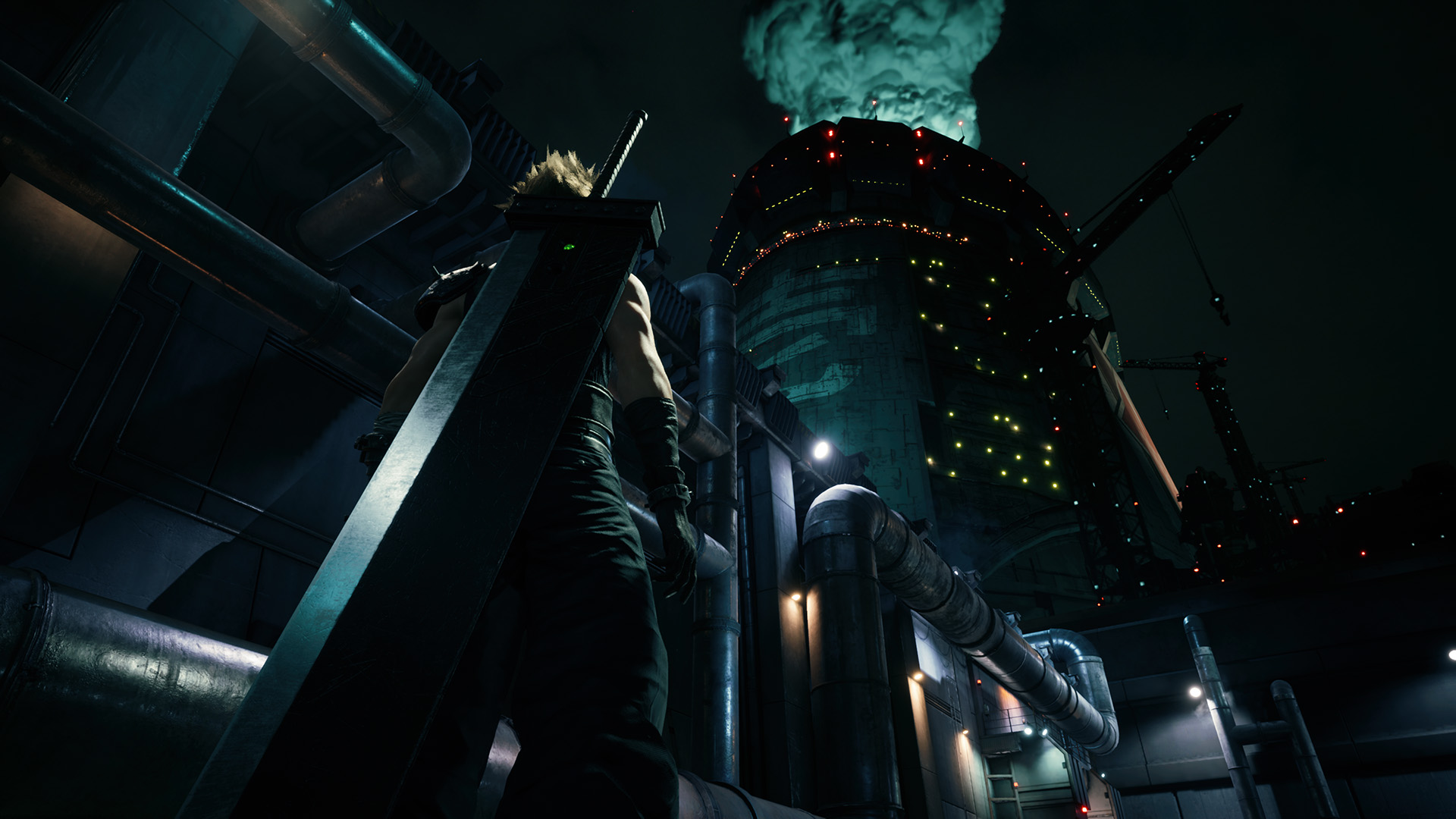
Let’s address the elephant in the room: how does a game of this scale perform on Nintendo Switch 2? The answer is simple, remarkably well. Extremely well, even. Docked mode delivers a crisp, cinematic experience that rivals dedicated home consoles. Lighting, texture detail, and character animation shine, creating a cityscape that feels alive with motion and atmosphere. Industrial skylines glow against neon haze, while intimate character moments benefit from subtle facial expressions and nuanced lighting. Handheld mode, meanwhile, feels borderline miraculous. The visual downgrade is minimal, preserving clarity and performance while making the experience genuinely portable. Exploring Midgar on a commute or curled up on the couch feels natural, not compromised. It’s crazy to think that a game of this size can be taken with you, played wherever you want, and not like it’s the PlayStation 1 version you brought with you.
Why the File Size is massive
At roughly 97GB, the game’s size reflects its ambition. High-resolution textures, extensive voice acting, cinematic cutscenes, and dense environmental detail all contribute to the footprint. This isn’t a compressed “portable version”; it’s a full-scale AAA production brought intact to a handheld-capable platform. In other words, the storage demand isn’t excessive; it’s evidence. Even if it’s just for Barret singing the theme for winning a battle.
Sound design and atmosphere: memory made audible
While visuals impress, the audio design truly elevates the experience. The soundtrack reimagines iconic melodies with orchestral grandeur while preserving their emotional identity. Familiar themes resurface in unexpected forms, sometimes triumphant, sometimes haunting, always meaningful. I loved standing near a jukebox and just listening to the different tracks I picked up in the game. And there was another layer, found in the environmental audio. Things like distant machinery, echoing footsteps in steel corridors, the quiet hum of energy beneath the city. Midgar doesn’t just look alive, it sounds alive. Voice acting deserves special praise. Performances feel grounded and expressive, bringing nuance to relationships that once existed only through text. Did I already mention that Barret is humming?
A trilogy in motion: looking forward while looking back
Final Fantasy VII Remake Intergrade represents only the first chapter of a three-part saga, a structural decision born from the desire to fully explore story and character depth rather than compressing everything into a single release. And honestly? After finishing the first one, that decision makes sense. This opening chapter already rivals the scope of a full RPG, delivering a complete emotional arc while setting the stage for something grander. It feels less like a fragment and more like a foundation. For veterans, it’s a nostalgic reunion that respects memory while challenging expectation. For newcomers like myself, it’s a polished entry point into one of gaming’s most influential universes. And not getting lost on an overworld!
A classic that refuses to stay in the past
Final Fantasy VII Remake Intergrade on Nintendo Switch 2 is not simply a remake. It’s a conversation between eras, a testament to how far storytelling and technology have come, and a reminder that great stories never truly age but evolve. It honours its legacy without being shackled by it. It modernises without erasing history. It dazzles technically while grounding itself emotionally. Whether you’re stepping into Midgar for the first time or returning after decades, this version offers something rare: the feeling of discovery layered atop remembrance. If this is merely the opening act of the trilogy, then the future of Final Fantasy VII has never looked brighter or more ambitious. And somewhere, in the glow of neon and memory, the planet breathes a little easier knowing its story is still being told.
