
The Nintendo Switch is an absolutely fantastic console. An unbelievable library, some of the greatest games of all time, and the ability to take a “home console” on the go have all added up to it fast becoming my go-to gaming hardware. Like a lot of good inventions, it answered a question I didn’t even ask. How to make sure that game time isn’t restricted to a few hours in the evening? Now my commute, plane journeys, or even time on the sofa while my partner watches TV can be spent getting sucked into another world. The pros of this portability have been well documented, and I am fully on board with them. So many long games that I wouldn’t have been able to get anywhere near the end of I have now completed because they were on the Switch. Freeing up spare time, and ultimately making gaming more flexible, is the Switch’s greatest asset.
The obvious negatives of having a portable-home console have also been documented. While lots of the ports are little miracles, graphical fidelity and load times are the price you pay. Sure I got to complete The Witcher 3, but was it the same experience if I’d played it on the PS4? Yes, Doom was great on the commute – but was I playing the best version? Some ports have been better received than others, but generally, the consensus seems to be that they are often very impressive but sub-optimal ways of playing those games. Ultimately, when it comes purely to the technical quality of the game, that’s up to the individual. For me, a downgraded Witcher 3 was absolutely worth it – because I would never have completed it without the portability. Better a downgraded version than a non-existent version. Different gamers have different priorities, so while an active (and vocal) debate, it’s kind of a moot point.
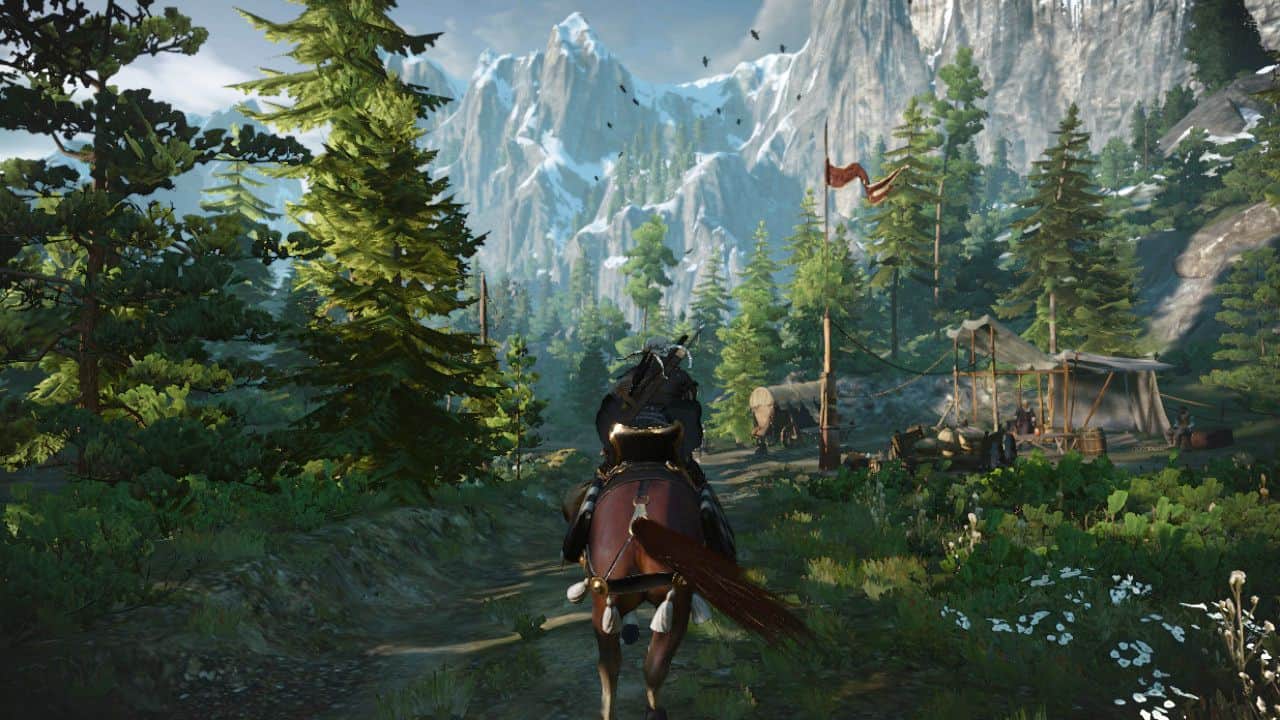
What I’m discussing is what else you lose when you play games, or sections of games, in handheld mode. Nothing to do with graphics, loading times or lighting – but the atmosphere and grandeur of a game. Certain games work so hard to create a world, or even a feeling, that can be lost with portability. Sometimes sitting on a packed train (though that seems a long time ago now) can really remove you from the action, and just makes those moments less special.
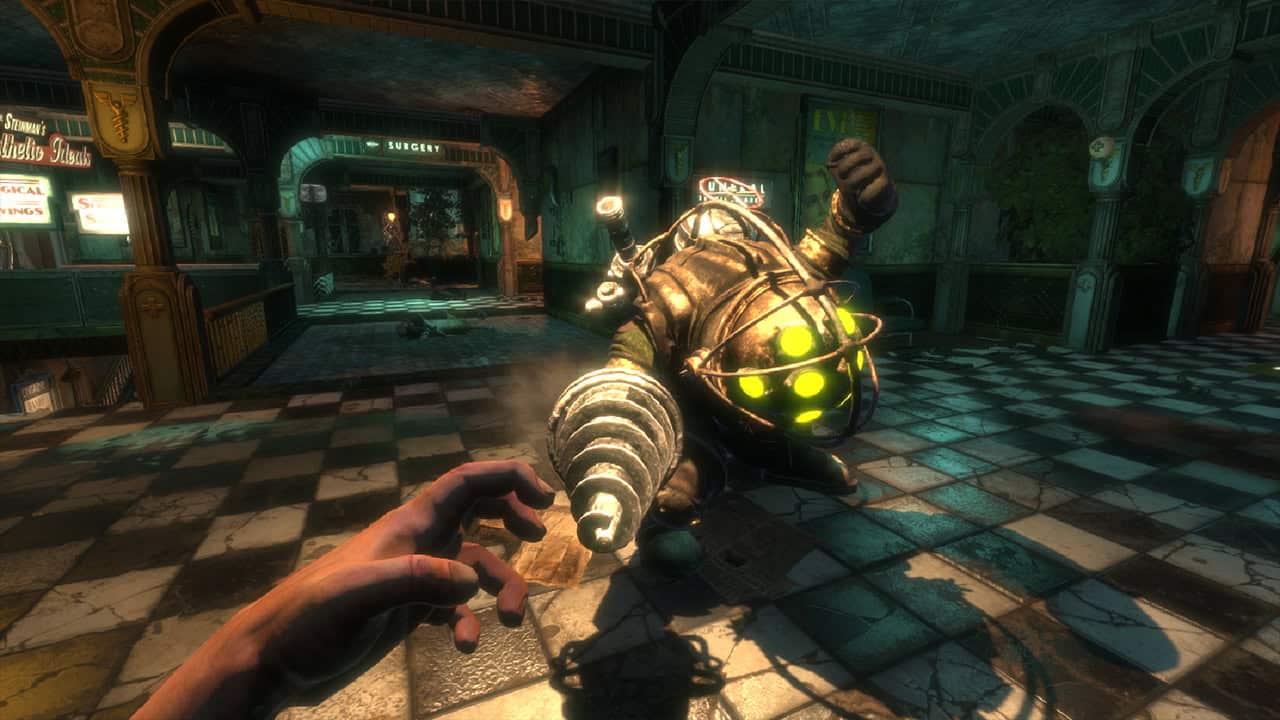
I began to think about this recently, with the launch of BioShock on the Switch. Someone pointed out that those games are “90% atmosphere”, so what would they lose when playing portably? The worlds of Rapture and Columbia are some of the most downright interesting (if a little terrifying) places I’ve ever virtually visited, and without that atmosphere, I honestly don’t think BioShock would stand the test of time. Take away that feeling, the intrigue coupled with dread, and you have a pretty simple shooter with rudimentary RPG mechanics. Playing those games with cheap headphones in an uncomfortable seat or the back of the car isn’t going to help you get immersed in those worlds. It feels like the exact opposite of dialing up the tension by playing Resident Evil with the lights off at night. Playing in portable mode can take that tension and throw it right out of the zombie-dog shattered window.
This isn’t just true for scary or tension-filled games. When thinking about this more I realized that I had actually been moving between portable and TV mode exactly to capture atmosphere for years. When I first got my shiny new Switch and was knee-deep in Moblin guts in Hyrule, I was consistently amazed at how this beautiful game could be on a portable console. I was happy to spend most of my hang-gliding, dragon-scaling, and food frying time in portable mode. However, when it came to big story beats, I instinctively docked my Switch to enjoy the moment on the big screen. It was the equivalent of watching a blockbuster on your iPhone I thought, I want to experience this intense and memorable 5 minutes being engulfed in the atmosphere. Even Mario Odyssey, an incredibly light-hearted game if ever there was one, had certain TV-required moments. When I (finally!) beat the Dark Side of the Moon, despite playing the level portably, I docked the Switch for the final building climb. I had worked too hard to be rewarded on a small screen, I wanted this moment amplified as much as possible.
Of course, some would argue that playing in portable mode has the opposite effect. A good pair of headphones, a comfy seat, and the proximity of the action could elevate the atmosphere beyond what is possible on the TV. This is coupled with the fact that most games look and perform better in handheld mode, where the smaller screen is more forgiving on the rougher edges a Switch port can offer. Maybe not on a commute, or sat in a park, but possibly inside the home. And to those people I say – absolutely! If that works for you, then go for it. For me personally though, even when all other aspects are in alignment, I’ve never felt the portable mode quite matches up to the experience on the big screen.
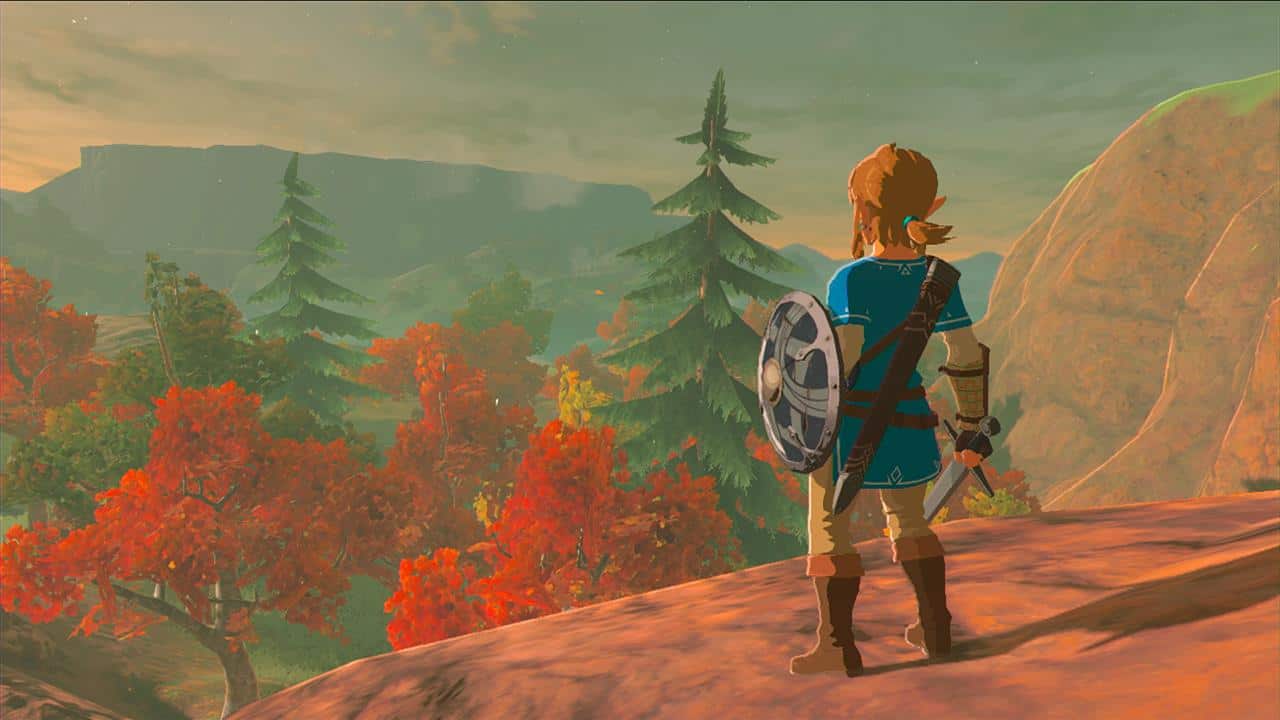
To be very clear, I am not bashing the Switch – nor its portable nature. Having a console which can move from big to small screen has changed how I game, and opened up games I simply wouldn’t have time to play otherwise. Switching to the TV for those big Zelda and Mario moments actually shows the Switch in all its glory, it gives you the option to play and experience games how you want. It also changed long journeys forever, no longer a source of dread but an opportunity to get some progress under my belt on my latest 40-hour adventure. What I am saying is I’m going to begin to be a bit choosier about what, where and when I play the Switch. I have been so close to buying the Resident Evil titles from the eShop for a while now. Some of my favorite games, and on the go, it should be a no-brainer. But maybe, when all is said and done, I can take a step back and re-prioritize. If Resident Evil Zero has taught us one thing, it’s that zombies and long train journeys don’t mix.
