
When I first heard that Little Nightmares was making the jump to VR, I was enthusiastic but cautious. The original games always relied on distance, on watching things unfold from a safe perspective. Altered Echoes removes that completely and puts you right in the middle of it. But how well does that actually work? Let’s dive in.
The jump to VR
Little Nightmares always worked because you were watching. You guided Six and her friends through that world, but there was always some distance between you and what was happening. That’s gone in Altered Echoes, where you’re no longer following Six, but Dark Six. As a player, you literally put on the hooded cloak and see the world in a more restricted way through her eyes. Using the cloak as a visual limiter is a clever choice. It reduces motion sickness, but at the same time makes you feel small in that typical Little Nightmares way.
From the very first moment you play, you feel part of it. You’re really standing in it this time. Rooms feel more haunting, things feel bigger, and you don’t have that camera helping you out anymore. If you want to look around, you actually have to look around yourself, and that alone already slows everything down. In every room I entered, I caught myself looking around carefully, checking for potential danger or the pieces needed to move forward. It slows the pacing compared to the original games, but in a good way. If you don’t like turning your head all the time, or if your space is a bit limited, you can use snap turning. It works, but it does break the immersion a bit. I’d recommend playing it as intended and using your body as the main controller.
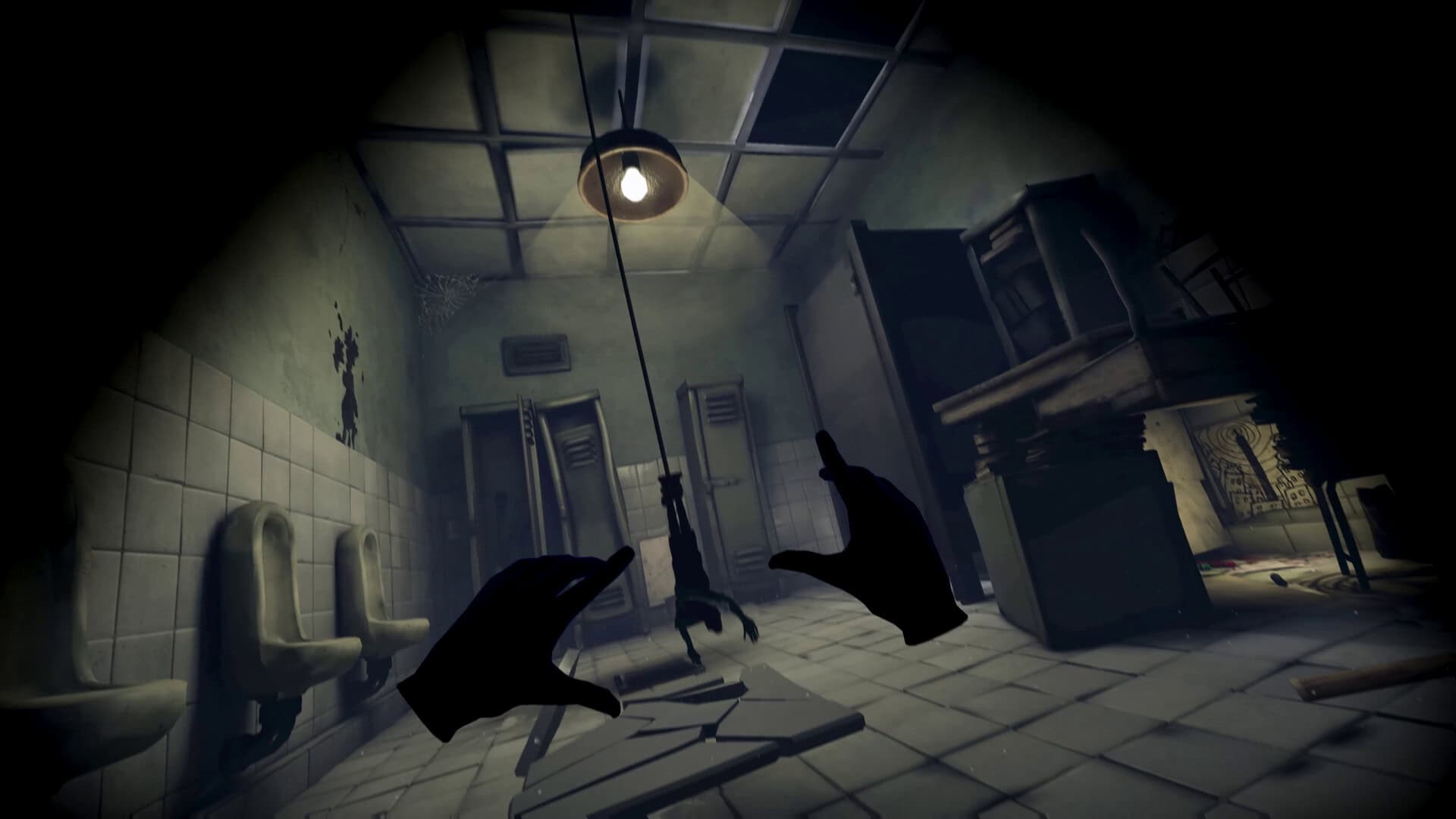
The controls mostly work pretty intuitively. You look around naturally, grab things with your hands, and move your body to interact with the world. It works, but not always clean. Sometimes you’re just slightly off when trying to grab something, or an action takes a bit longer than you expect. Most of the time, that’s fine, but once things speed up, you’ll notice it more.
And that’s where the game can be a bit rough. When nothing is happening, everything feels good. You’re just walking around, opening doors, looking for a way forward. It’s slow, but it fits the atmosphere. You wouldn’t run around loudly if danger is lurking behind every corner. It never really feels safe, even when nothing is going on. That mostly comes from the small details. Sounds you can’t fully place, something moving somewhere you can’t see, little things like that. You’re always paying attention, even when the game isn’t trying to force jumpscares on you. It really feels like Little Nightmares, but that also means there are some more demanding segments too.
When those appear, things change quickly. You suddenly have to move, react, and get out. And that’s when those small issues with the controls start to show. You know what to do, but it doesn’t always come out clean. Grabbing something takes just a bit too long, climbing isn’t as quick as you expect, and that’s enough to mess you up. It gets frustrating, especially when it happens twice in a row. It’s not game-breaking, and it’s something you’ll recognise from other VR games, but it does get a bit irritating. That being said, it’s a pretty solid VR experience and an even better Little Nightmares experience.
It’s still Little Nightmares
Structurally, it’s still very much Little Nightmares. You move from area to area, solve small puzzles, and try not to get caught. If you’ve played the previous games, you’ll get it straight away. That part hasn’t really changed. What changed is how it feels to go through it. Walking into a room hits differently when you don’t know what’s behind you and you actually have to turn around to check. Standing still becomes something you think about instead of just doing it. Even looking around is something you actively do now instead of something the camera handles for you. It’s small, but it changes the whole flow of the game. I’ve played the previous Little Nightmares games and they always felt eerie, but never really scary. This one keeps that same style and atmosphere, but being inside it makes a difference. Seeing everything through the eyes of Dark Six makes it hit harder at times, especially because of how everything is designed.
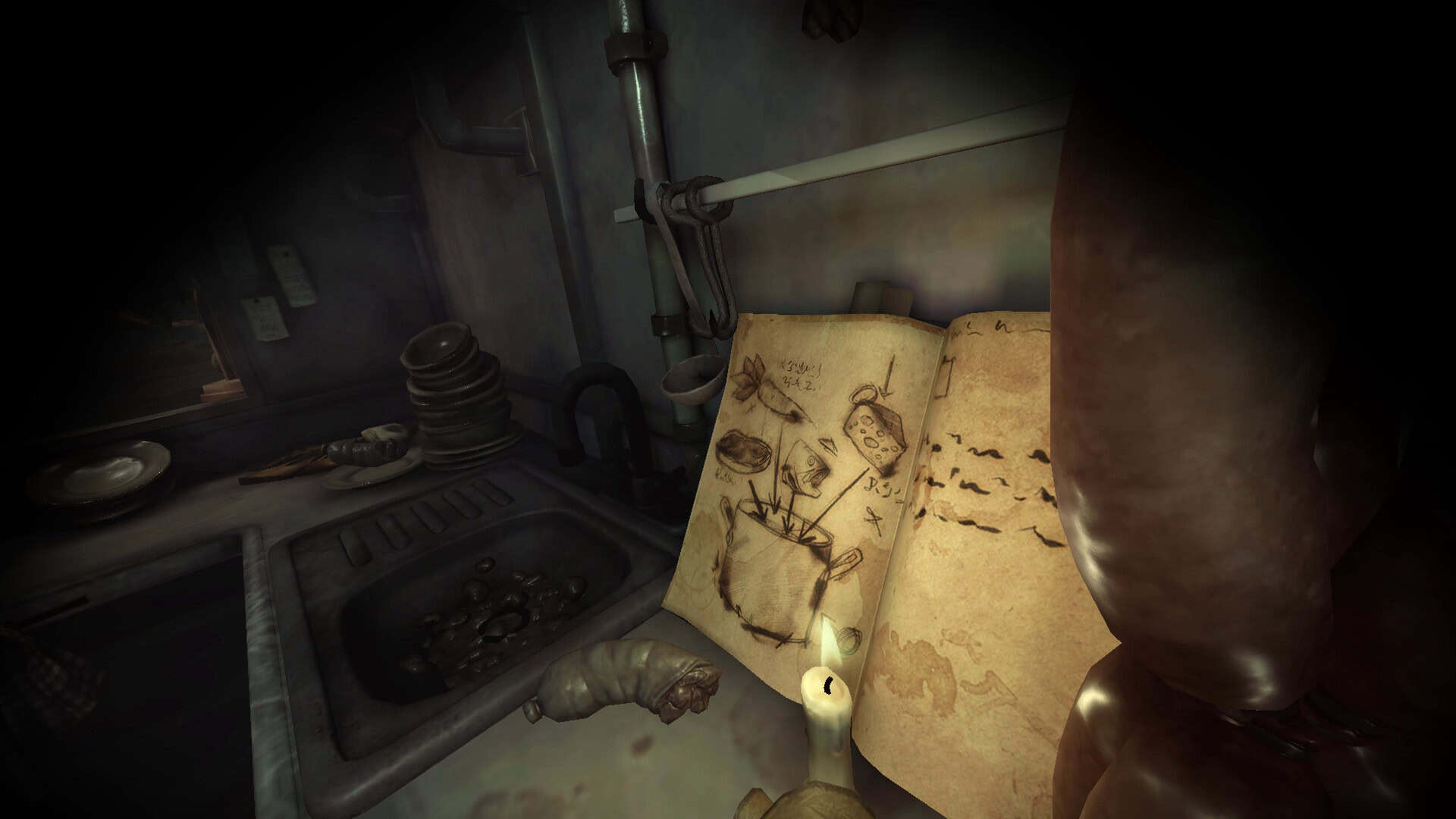
The environments still do what they always did. Things look normal at first, but something is always off. Objects don’t behave the way you expect, spaces feel weird, and there’s always that feeling that something isn’t right, like something is lurking just out of sight. The sound helps a lot with that. It stays subtle when the tension builds, but can still catch you off guard when things escalate. At the same time, the gameplay itself stays pretty simple. The puzzles aren’t that complicated, and once you understand how things work, there’s not that much more to it. It doesn’t suddenly open up or introduce a lot of new ideas later on. What you see early on is pretty much what you get. It’s also a bit of a shame that it only takes a couple of hours to finish. That’s not unusual for VR, but I still wish there was a bit more to it, especially because it really nails the atmosphere.
Still, the game knows what it wants to be and sticks to it. It doesn’t suddenly try to become something else or throw in things that don’t fit, it stays very true to the Little Nightmare formula and places you right in the middle of it. Even when it gets frustrating or a bit repetitive, it keeps that same feeling going from start to finish, and I must admit that I had a lot of fun exploring this gorgeous setting in VR. It’s one of those rare VR games that kept me entertained until the very end.
Conclusion:
Little Nightmares VR: Altered Echoes doesn’t change the key ingredients of the Little Nightmares franchise, but puts you in the middle of the horrors. It’s very immersive, more direct, and sometimes a bit rough because of it. Not everything works perfectly, but it’s one of the most memorable VR games out there for sure.