
Kingdom Come: Deliverance II is not just a sequel; it’s a huge leap and improves on almost everything. Warhorse Studios has taken everything that made the first game special and refined it into something truly amazing. The brutal realism, historical authenticity, and deep role-playing mechanics return, but with a level of polish that makes this installment feel bigger, more immersive, and significantly more engaging. Whether you were a fan of the original or are stepping into Henry’s boots for the first time, this medieval RPG delivers an experience that is easily one of the best gaming experiences of this year.
Back where we left it
The narrative picks up immediately where the first game ended, throwing players back into the war-torn lands of 15th-century Bohemia. Henry, once a simple blacksmith’s son, has grown into a more hardened warrior, but his journey is far from over. After barely surviving an ambush meant to silence him, he finds himself caught in the crossfire of conflicting factions, noble disputes, and a quest for revenge that is both personal and very political.
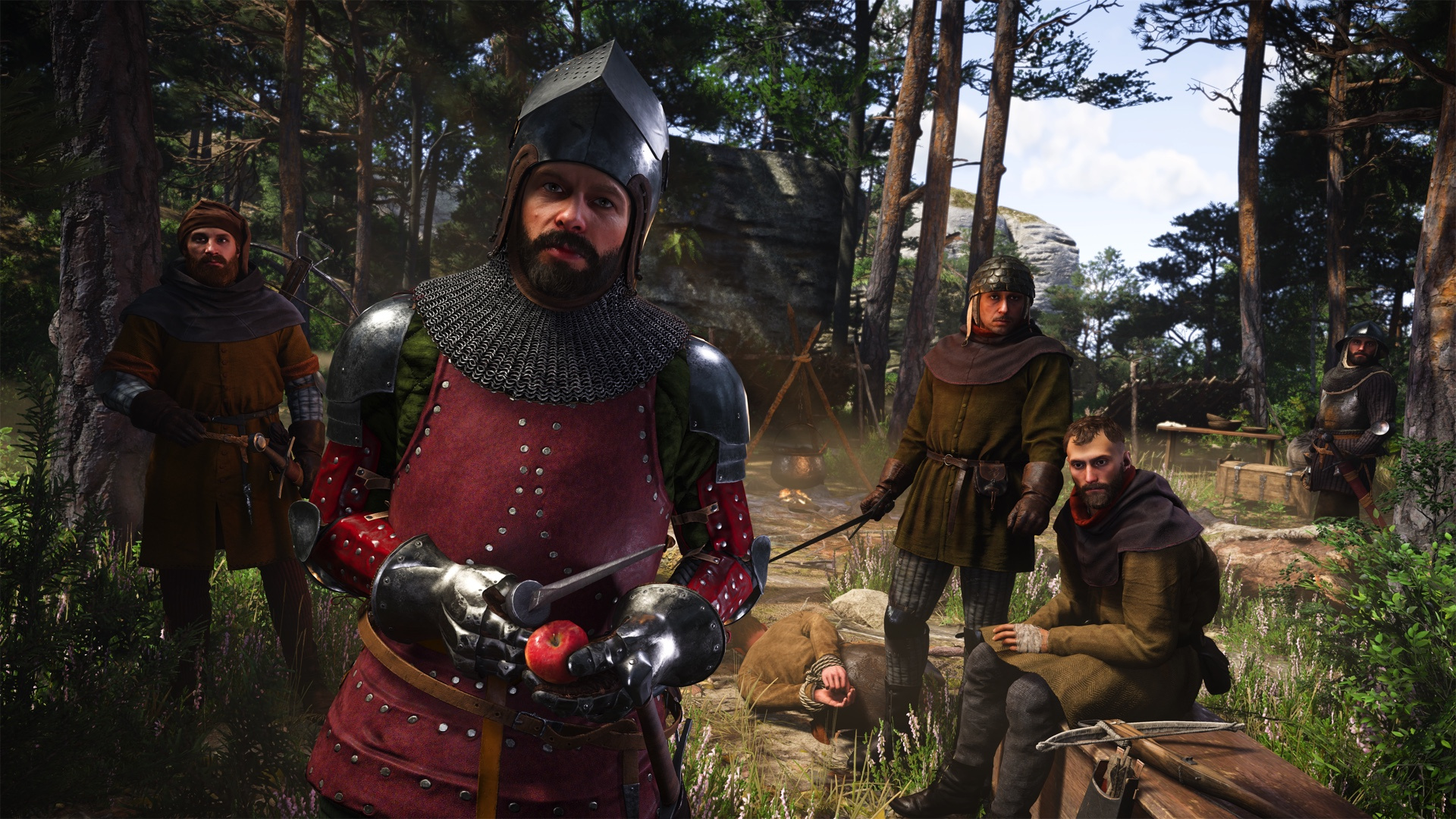
What makes the story so captivating is the way it balances large-scale historical events with Henry’s own struggles. This isn’t just about kings and battles; it’s about loyalty, betrayal, and the constant battle between duty and personal desires. Characters feel more fleshed out than ever, with believable motivations and shifting allegiances that keep players on their toes. Old friends return, including the ever-entertaining Lord Hans Capon, whose camaraderie with Henry provides some of the game’s best moments. What I like most is the fact that the story is a crucial part of the game and interactions are everywhere. A lot of games play with the idea that your actions come with consequences but rarely do games like that succeed the way this one does. It’s all so natural and believable that you’re becoming part of what feels like a medieval simulator the more you play.
The choices you make along the way have meaningful consequences. The game doesn’t just track simple morality; decisions affect your reputation, how NPCs treat you, and even which quests and storylines become available. It’s possible to forge alliances, make enemies, and even talk your way out of conflicts if your speech skills are high enough. Dialogue remains one of the game’s strongest aspects, feeling natural and dynamic, with every conversation carrying weight and having a role in the bigger picture.
Pick up your sword
One of the most notable improvements in Kingdom Come: Deliverance II is its combat system. The first game’s commitment to realism made fights feel intense but often clunky. This time around, combat is smoother, more responsive, and better balanced. Swordplay remains skill-based, requiring precise timing and stamina management, but the introduction of new weapon types, including crossbows and primitive firearms, adds new strategic layers. These weapons aren’t overpowered but provide additional tactical options, making battles more varied and rewarding.
Stealth has also received significant upgrades. Previously, sneaking around felt frustrating due to clunky AI reactions and inconsistent mechanics. Now, enemies respond more intelligently to light, sound, and environmental cues, making stealth a viable and satisfying alternative to direct combat. The redesigned ‘Thievery’ skill combines lockpicking, pickpocketing, and burglary into a single progression system, making sneaky playstyles more streamlined and intuitive.
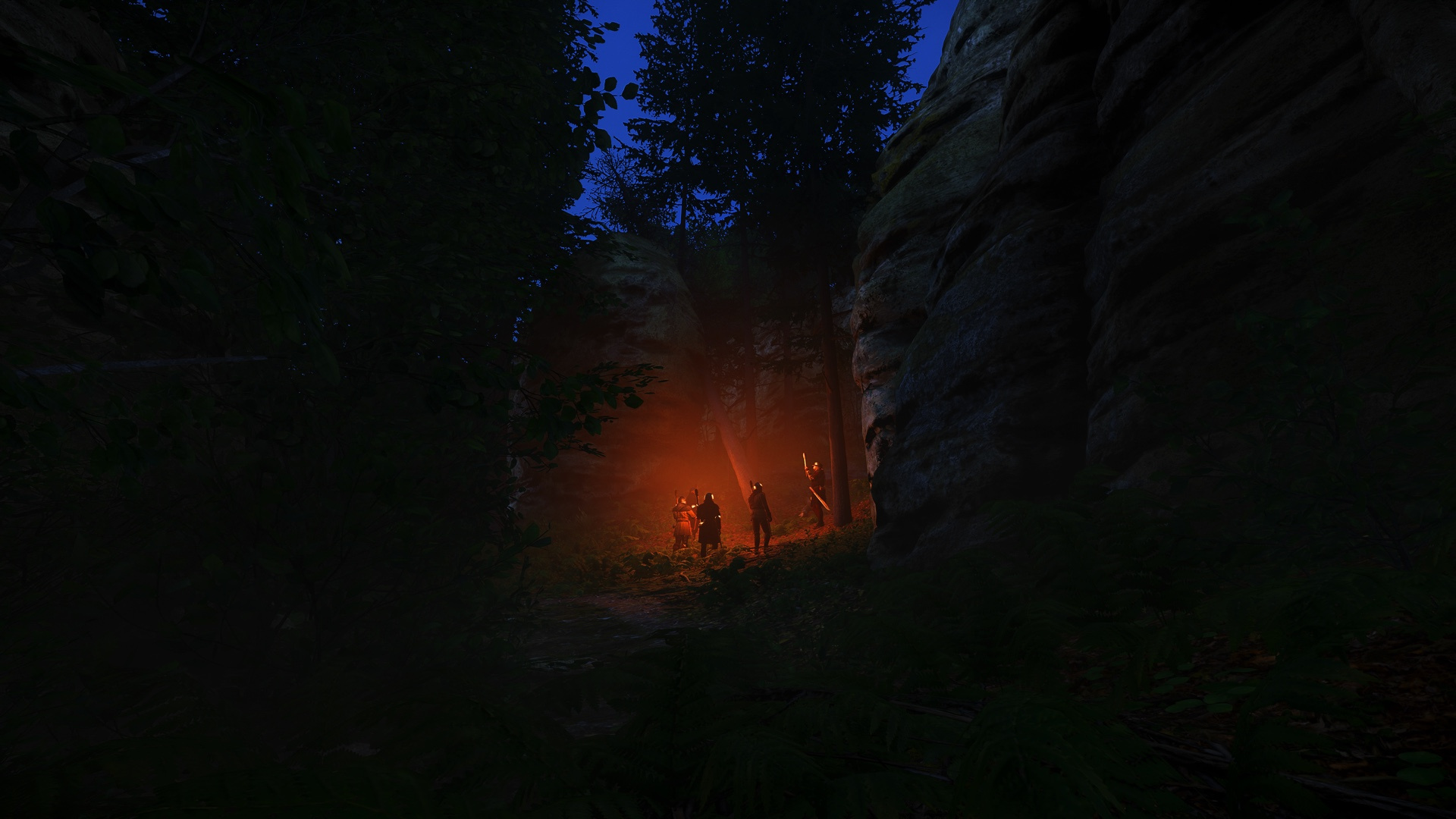
Henry’s progression is as organic as ever. Skills improve through practice, meaning that the more you fight, negotiate, or craft, the better you become. The RPG mechanics remain deep and rewarding, allowing players to shape Henry into a character that suits their preferred playstyle. Special perks and abilities add further customization, whether you want to become a master swordsman, a charismatic diplomat, or a cunning rogue. That being said, there still is a rather steep learning curve to it all. If you want to become really good at it, be it combat or communication, you have to spend the hours to craft those skills. Just like in real life, it takes patience to become good at something and that’s not different for this sequel.
Welcome to Bohemia
Few open-world games capture a historical setting with as much authenticity as Kingdom Come: Deliverance II. Warhorse Studios has painstakingly recreated 15th-century Bohemia, from its dense forests and rolling hills to its bustling towns and towering castles. The level of detail is astonishing; villages feel lived in, markets are filled with traders and beggars, and every location has a sense of purpose. It’s the same level of accuracy you expected in the old Assassin’s Creed games so it’s nice to see Warhorse Studios take over that torch when it comes to recreating historical settings as authentic as possible.
The environment plays a larger role than ever before. Weather and time of day affect everything, from NPC schedules to road conditions. Muddy paths slow down movement, heavy rain makes archery harder, and fog can obscure enemy patrols, creating dynamic gameplay moments. Even your appearance matters; showing up to a noble feast covered in blood and dirt will get you turned away, while a shining set of armor can intimidate peasants and lowly guards.
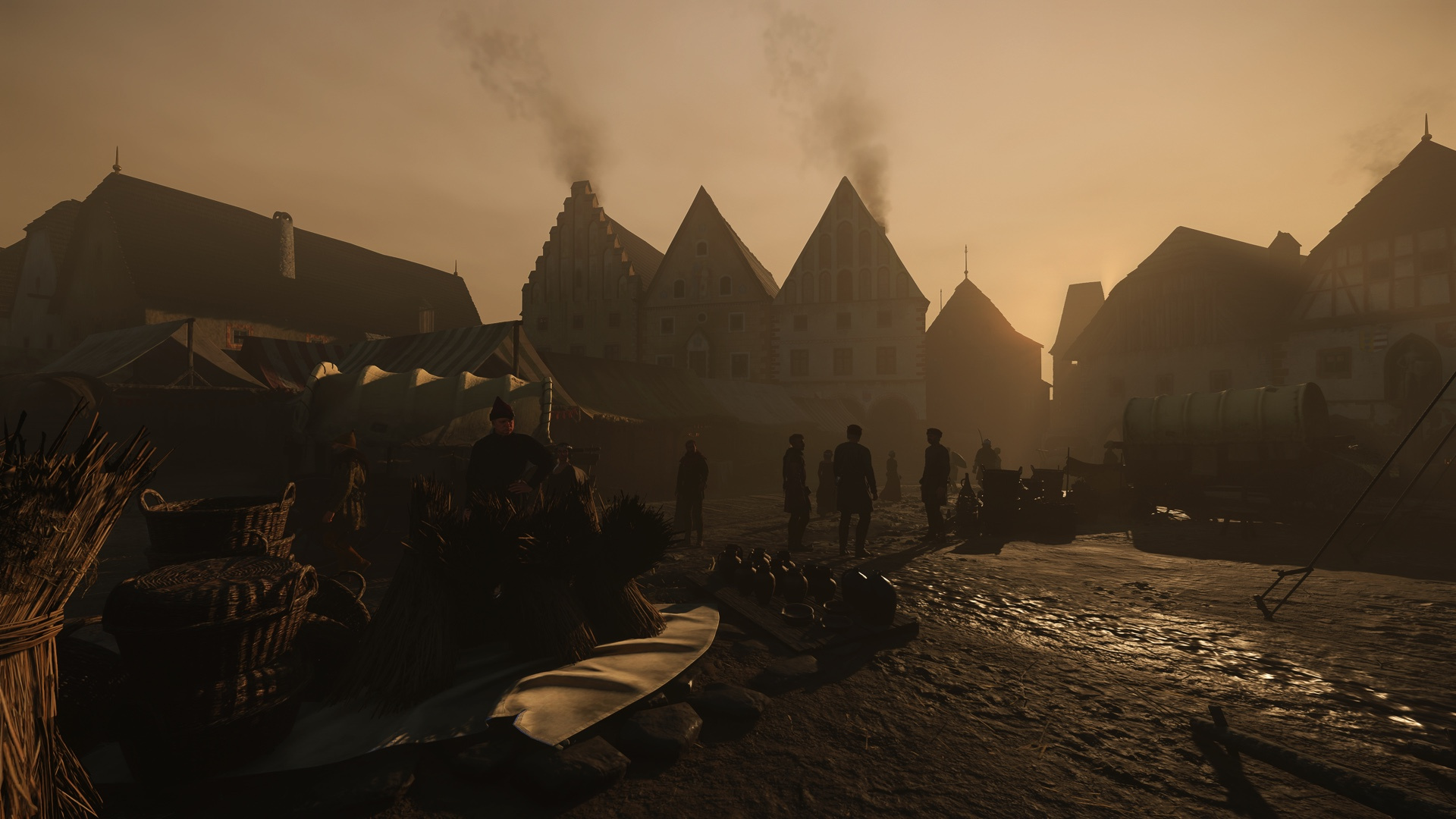
Side quests are no longer mere distractions; they feel like fully realized stories in their own right. Some are political, some are deeply personal, and others inject moments of humor into the otherwise serious world. The game excels at creating quests that rarely follow predictable formulas, often surprising players with their depth and complexity. It’s really nice to have an open world like this again. In the age where the world is often as big as possible without ever really feeling lived in, Bohemia offers the best of both worlds. It’s a vast open world that’s manageable to interact with and it’s filled with gameplay elements lurking behind every corner. By far one of the more entertaining open worlds I walked in the last couple of years.
Strong visuals to top it all off
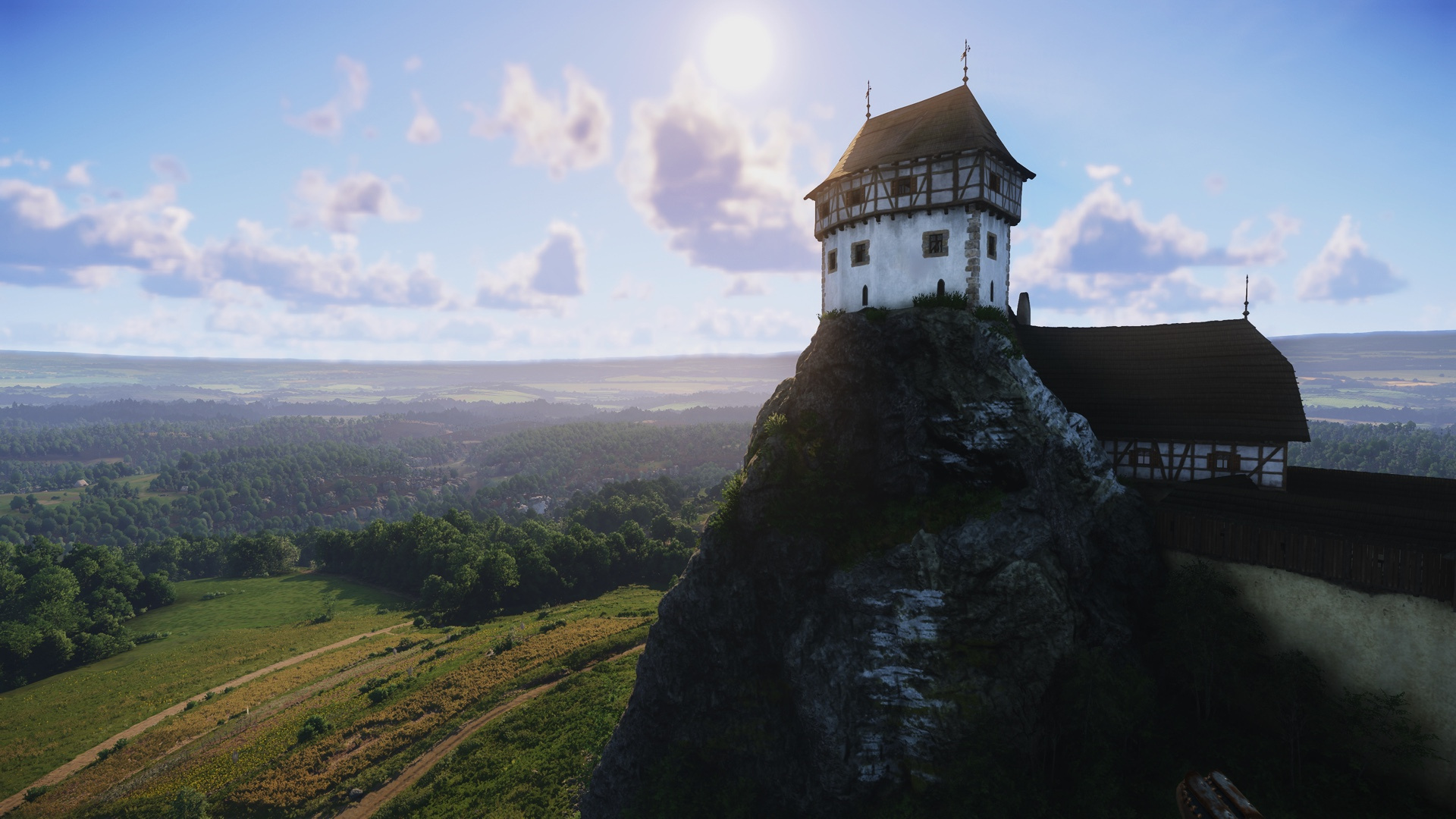
Graphically, Kingdom Come: Deliverance II is breathtaking. The upgraded engine allows for richer landscapes, better lighting, and more detailed character models. Facial animations have been extremely improved, making interactions feel more lifelike. The way light filters through the trees during sunrise or how torches flicker against stone walls at night adds a cinematic quality to every scene.
Performance has seen a significant upgrade compared to the first game. While some minor bugs and glitches remain, they are far less intrusive. The game runs smoothly on high-end PCs and next-gen consoles, with stable frame rates and improved load times. Warhorse Studios has clearly taken the criticisms of the original’s rough launch to heart, ensuring that this sequel is a far more polished experience. I played it on my Xbox Series X and caught myself enjoying the environments and really soaking it all in a couple of times. The upgraded engine results in true immersion and it’s something the team clearly worked very hard for.
Conclusion:
Kingdom Come: Deliverance II is everything a sequel should be. It takes the strengths of the original and builds upon them, addressing past criticisms while introducing meaningful new mechanics. The world is more vibrant, the combat is more refined, and the storytelling is more engaging than ever. This is not a game that holds your hand. It demands patience, skill, and a willingness to engage with its realism. But for those who embrace it, the reward is one of the most immersive and satisfying RPG experiences in recent memory. Warhorse Studios has proven once again that historical accuracy and compelling gameplay can go hand in hand, crafting a medieval adventure that feels truly alive.
