
FromSoftware’s Elden Ring: Nightreign is a bit of an odd one. Building on the fundaments of the incredible Elden Ring comes a multiplayer-oriented spin-off, and it blew me away. Limveld may echo the ruins of the Lands Between, but its rhythm is wholly new: tighter, tenser, and more tactical. This is Elden Ring reimagined as a co-op-driven game where exploration, strategy, and synergy are king.
Let’s be clear from the outset: Nightreign can be played solo, and yes, it’s a functional experience that still rewards exploration and mastery. But it’s in multiplayer, specifically in teams of three, that the game reaches its full potential. This is FromSoftware’s definitive answer to the eternal “Soulsborne but co-op?” question. And it works. Oh, it works beautifully.
A world that pushes back
At the heart of Nightreign lies the Expedition system: compact three-day loops that balance freedom and urgency. Each session begins with two full in-game days of semi-open exploration across Limveld, culminating in a nightly boss fight. Survive those, and Day 3 brings the final encounter: a Nightlord whose arrival feels every bit as apocalyptic as it sounds.
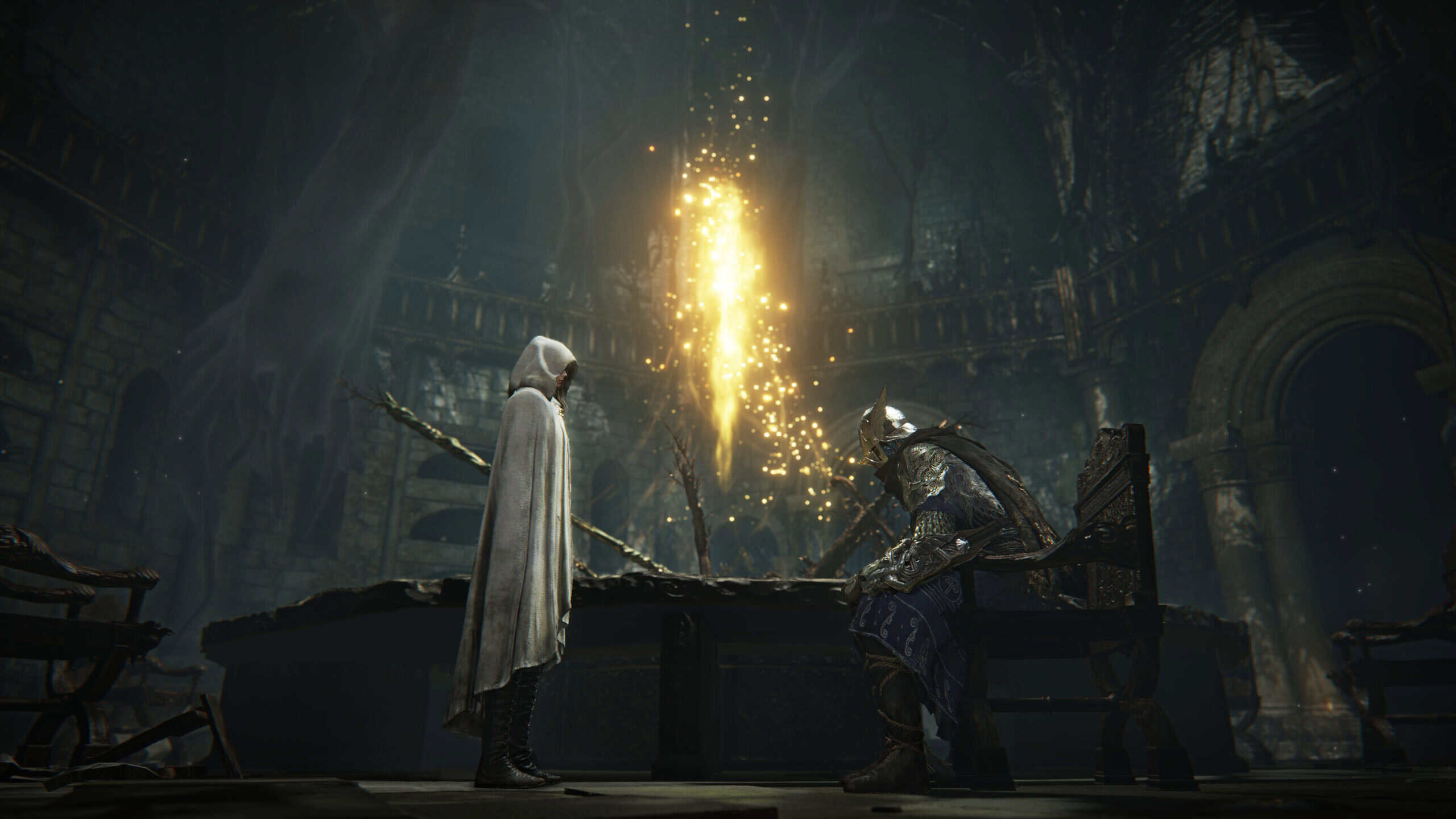
The genius lies in the pacing. Time is always slipping through your fingers. The safe zone, the sacred blue flames on your map, shrinks as night approaches, slowly funneling you toward the boss. The cursed rain of the Night’s Tide will melt your health bar if you lag behind, forcing you to constantly weigh risk versus reward: do you explore that ruin for loot, or play it safe and prepare early for the encounter? It’s Battle Royale tension blended with Soulslike precision, and it makes every run feel like a lived experience. It’s a different vibe and a different pacing from what you’re used to in Elden Ring, but it works. Your environment is smaller yet filled with treasure and enemies that you need to face before you face off with the smaller bosses and eventually the Nightlord. The gameplay loop of gathering – fighting – gathering – fighting works and takes a bit over 40 minutes to complete, which makes it a fun experience to jump back into over and over again.
The bosses themselves are marvels of encounter design. In each Expedition, you don’t know what to expect, but the Nightlords are the beating heart of them all. Each comes with its own heralds, mini-bosses, and enemy types that hint at what’s to come. You begin reading the land like a veteran hunter. By reading into the heralds, you understand which Nightlord will test your skills at the end of the run and you can plan accordingly, together with the other players. Fans of the franchise will be happy to know that some fan-favorite Nightlords are returning to test your skills once again. You’ll find everything you need to prepare in Limveld, your new home.
A shifting world
Though structurally more focused than the open world of Elden Ring, Limveld is no less rich in content. Exploration isn’t just optional, it’s essential. From ghost-haunted townships to ruined churches that boost your healing flask, every detour can tip the scales in your favor, but be aware that you are not caught up by the flames before the day runs out.
Key locations are flagged from the start, forts that grant treasure maps, tunnels full of upgrade stones, and certain objects on the map that launch you through the air for some fast traversal. The verticality here is real and exhilarating. Surge-sprinting and wall-jumping let you chain mobility like a parkour ninja, while Spiritstreams shoot you skyward to scale cathedrals or leap into enemy strongholds. Since time isn’t on your side it’s great to have this faster movement to keep the pacing there. But just when you thought you had learn everything about Limveld, you’ll get a little surprise.
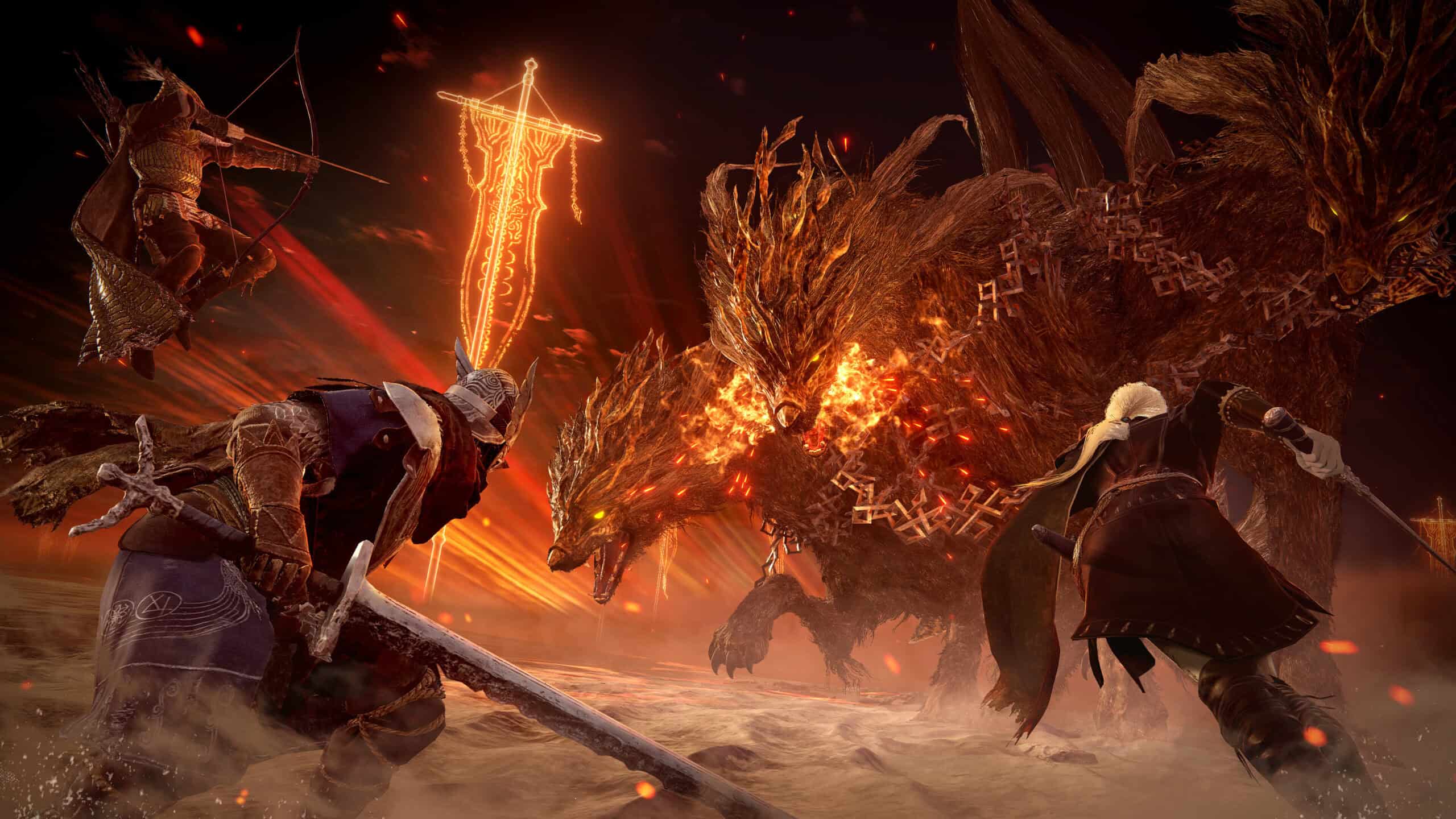
Then there are the Shifting Earth events: procedurally triggered, theme-based zones that twist terrain and reward players with powerful one-off buffs. Maybe it’s a rotting forest that grants you a strong buff, or a volcanic crater that lets you instantly upgrade a weapon to Legendary. These aren’t just gimmicks, they’re real strategic options, especially if you know what kind of Nightlord you’ll be facing at the end of your Expedition. Even your failures have meaning. Die, and your weapon might be left behind as a red phantom, empowered by grief, waiting to be picked up by another. That sword you lost in desperation? It might save someone else’s run. Nightreign is haunted not just by ghosts, but by echoes of effort.
Classes built for synergy
The Nightfarers, your playable characters, are more than cosmetic variants. Each brings unique abilities, stats, and Ultimate Arts that completely redefine your playstyle. Want to charge into battle like a titan? Wylder is your frontline juggernaut, a Strength-scaling beast who can cheat death once per run and knock down even Nightlords with his explosive Onslaught Stake. Prefer to protect and control the battlefield? The Guardian wields a halberd and shield with defensive auras that literally grant invulnerability to allies.
Recluse and Revenant are more technical, a mix of sorcery, support, and zone control. Ironeye is the sharpshooter: deadly from afar, and a lifesaver when reviving allies with arrows. Duchess dances through the battlefield with speed and restaging strikes, perfect for applying status effects like Blood Loss. And if you want raw power at a cost? Raider trades HP for devastating crowd control with his cursed blade.
Importantly, any character can wield any weapon, but stats and relic synergies mean you’ll want to build toward their strengths. Experimentation is deeply rewarding. Maybe your Guardian ends up as a healing tank with passive regeneration, or your Duchess becomes a poison-tipped blur thanks to the right Relic combo. There’s depth here. A lot of it. The beauty of Nightreign lies in the synergy of the Nightfarers and how the players use their skills in order to work together. Mastering the different classes will take a while, but seeing how others use them helps a lot. I learned a lot by playing with other Nightfarers to finally find my preferred style.
Stronger together
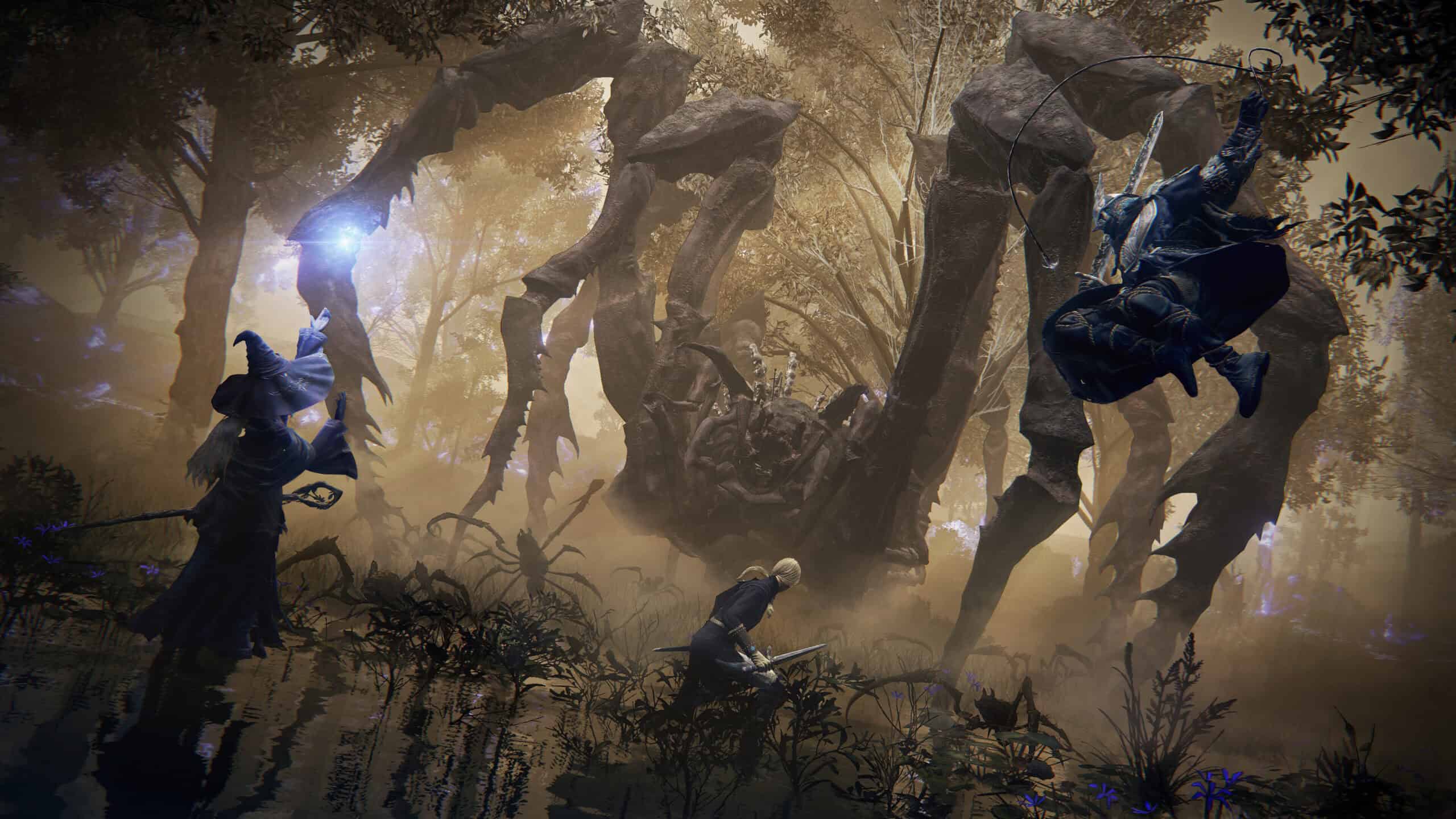
While Nightreign scales enemies for solo play, and even throws in items to make it a bit easier, it’s undeniably tuned for co-op. The revive system alone changes everything: when a teammate goes down, their soul lingers for a few seconds, and only through coordinated attacks can you bring them back. That simple system fuels some of the most heroic, clutch moments in the game.
Add in group loot sharing (where everyone gets their own rewards), team-wide XP gain, and the sheer thrill of surviving a Nightlord with just a sliver of health between you all, and it becomes clear: Nightreign is a celebration of cooperation. Not in a cheesy way, but in a “we just pulled off the impossible” way. FromSoftware weaponizes camaraderie like no other studio. You’ll cheer, rage, and high-five your screen in equal measure.
Conclusion:
Elden Ring: Nightreign is way better than what I expected it to be. It doesn’t replace the original but uses it as a strong basis to create one of the best co-op experiences ever. With razor-sharp systems, meaningful exploration, thrilling boss fights, and some of the best co-op design we’ve seen in years, Nightreign earns its place among FromSoft’s greats. It’s not perfect, some balance issues remain, and solo players may feel underserved, but when the stars align and your team comes together, there’s nothing else like it.
