
Treasure Hunter Simulator finally lands on the Nintendo Switch, a whole seven years after its original release on PC. Developed by DRAGO Entertainment, known for their various simulator titles like Gas Station Simulator and Food Truck Simulator, this game promises a mix of exploration, history, and artefact hunting. But does this belated Switch port unearth a hidden gem, or is it a relic best left buried?
A Missed Opportunity for Console Optimization
Right off the bat, it’s clear that this is a straight port of the PC version, and not necessarily a well-optimized one. The game still relies on an on-screen cursor for menu navigation, which feels awkward and clunky when using a joystick. The fact that the Switch’s touchscreen remains completely unused is a baffling oversight—especially when a simple tap-based interface could have vastly improved the experience. These design choices immediately make it feel like little effort was put into making the game truly console-friendly.

Squint for the Best Experience
Treasure Hunter Simulator is an indie title, so expectations regarding graphical fidelity should be tempered. That said, the environments, while diverse, look rough up close. The game’s world map takes players to various real-world locations, but unless you’re viewing them from afar (or with very generous squinting), they don’t exactly impress. Given that the core gameplay has you looking at the ground most of the time, the low-resolution textures become painfully obvious. Even for a 2018 release, the visuals feel dated, and on the Switch, they certainly don’t do the game any favours.

A Walking Simulator with a Shovel
At its core, Treasure Hunter Simulator revolves around travelling to different locations, scanning the ground with a metal detector, and digging up various objects. When near an artefact, an indicator appears; once the detector changes colour, it’s time to dig. After retrieving an object, you can identify it and learn a brief historical tidbit—or discover you’ve just unearthed another worthless scrap of junk. This cycle repeats endlessly, making the game feel more like a walking simulator with a downward gaze than an engaging treasure hunt.
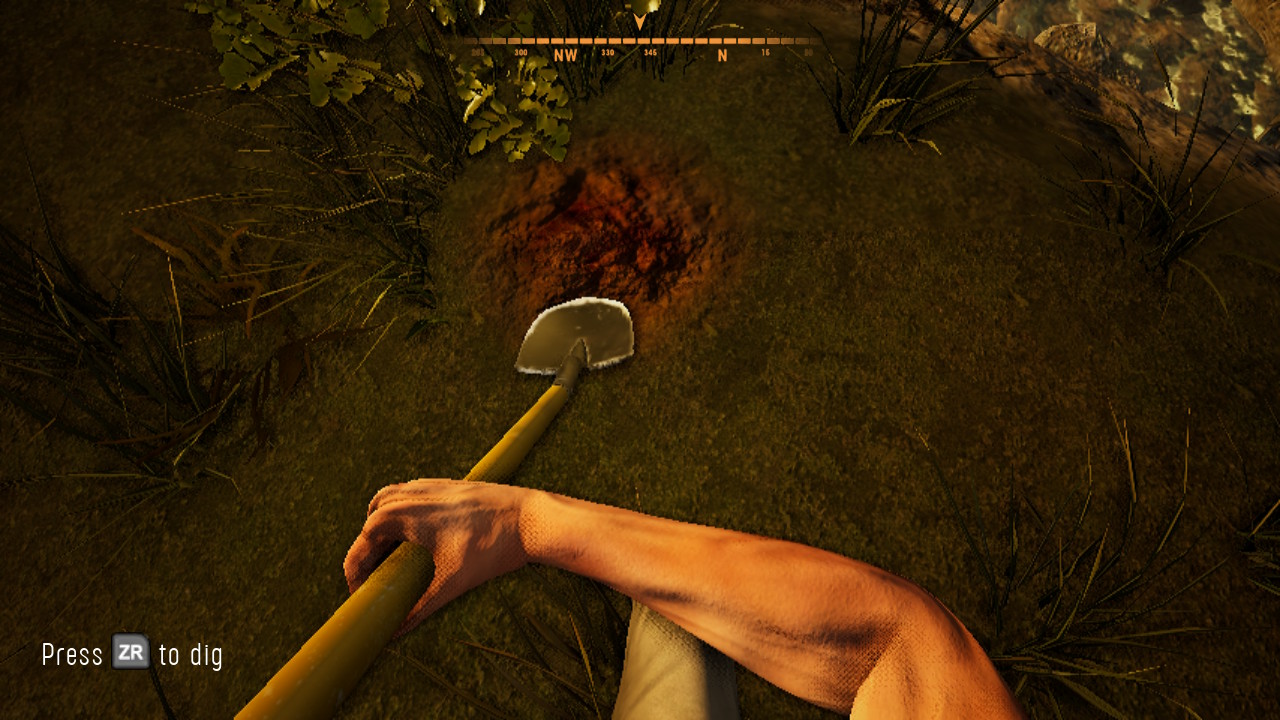
The primary goal is to clear areas and find legendary artefacts, which can be stored in your collection or sold for funds. Money is needed for travelling to new locations and upgrading metal detectors, which in turn allows you to find better artefacts. A story mode adds small objectives like locating specific objects or photographing landmarks, but these tasks don’t add much depth to the overall experience.
Niche Appeal but Repetitive Execution
Treasure Hunter Simulator does exactly what it says on the tin. It doesn’t aim to be an adrenaline-pumping adventure, nor does it try to be anything more than a laid-back, slow-paced treasure-hunting experience. For players looking for a relaxing, stress-free game with light educational elements, it delivers—albeit in a repetitive and clunky manner. However, for anyone outside of that niche, the sluggish movement, lack of optimization, and dated design may quickly turn the experience into a chore.
Falling Short of the Gold Standard
Simulator games don’t need to be complex to be enjoyable—titles like PowerWash Simulator prove that a simple concept if executed well, can be incredibly engaging. Unfortunately, Treasure Hunter Simulator doesn’t reach that level. The Switch port, arriving so late after the original, feels like an easy cash grab rather than a genuine attempt to introduce the game to a new audience.

Conclusion
Treasure Hunter Simulator might find its audience among those who enjoy slow, meditative experiences, but even then, the Nintendo Switch version doesn’t offer an optimal way to play. The lack of console-specific enhancements, clunky controls, and outdated visuals make this feel like a half-hearted port. With a rumoured sequel on the horizon, it would be better for DRAGO Entertainment to focus on improving the formula rather than trying to squeeze the last bit of revenue out of this ageing title.
