
I adore Zelda – and don’t get me wrong, I’m talking about the 2D installments and the 3D installments. However, I’m not too fond of Breath of the Wild since I’m more of an old-school Zelda fan. So I was pretty stoked when Ocean’s Heart dropped in our inbox. It’s sure to scratch that Zelda itch you might have (or it’s hay fever, I’m still debating that one).
Ocean’s Heart
Ocean’s Heart is an action RPG featuring detailed pixel art with a heavy focus on exploration. In a lively world teeming with secrets and mysteries, Tilia sets out in search of her missing father. Follow the trail through the ruins of a flooded kingdom, shape the future of the current world, or keep your head down and focus on your own mission in this epic retro-inspired adventure!
It’s way too simple to summarize Ocean’s Heart as a modern 2D Zelda, with more complexity than Wind Waker and Phantom Hourglass combined. You play as Tilia, an adventurous young girl who sets out to find her lost father across the seas. Along the way, you go through a relatively open-ended adventure complete with oodles of quests and side quests as well as a handful of solid puzzling dungeons. It’s a fun world to play in, littered with secrets. Unfortunately, a few nagging issues hold it back, but considering it’s a solo-developer project, I came away immensely impressed with Ocean’s Heart.
Zelda-Esque
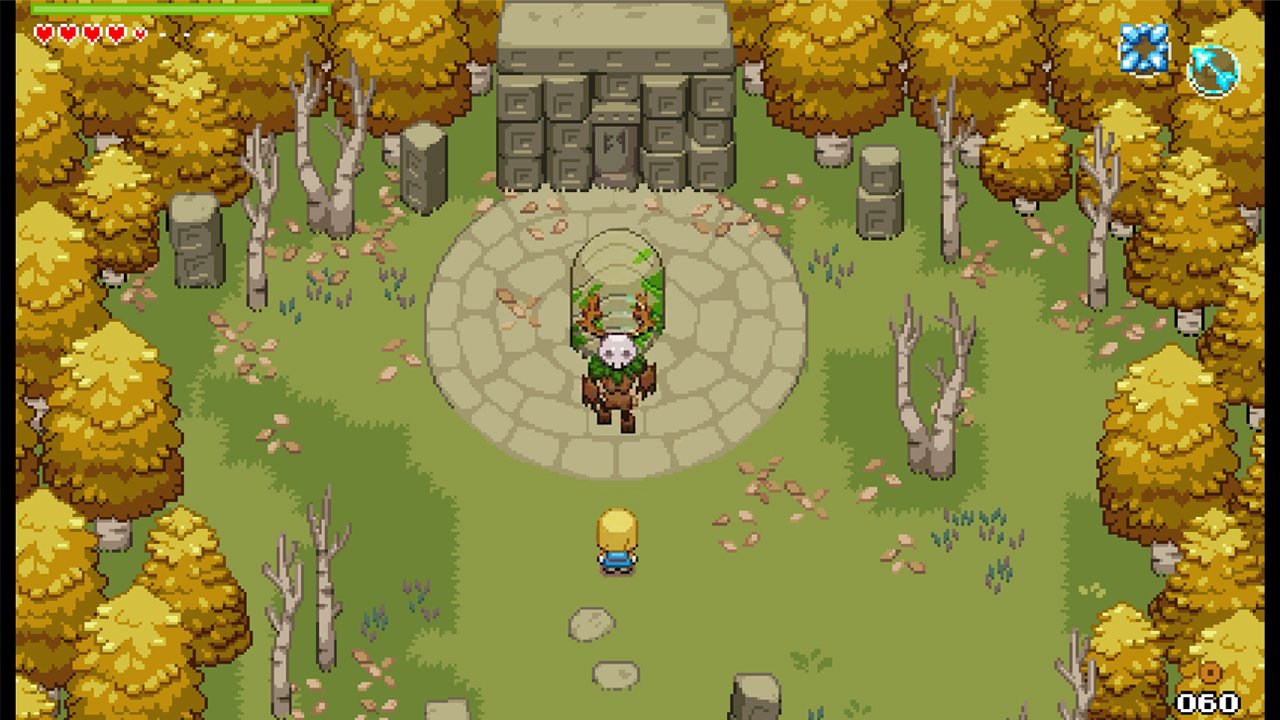
Ocean’s Heart starts like every Zelda-esque game. Leave the house and find your way to town, and ask around about your father’s whereabouts, but shortly after, that’s when you start getting multiple main quest threads to follow and a cavalcade of side quests. Once you get a handle on how to move around the world, the world opens up immensely, and you can keep an eye towards the primary goal of tracking down the pirates that your dad is tussling with while also finding a variety of dungeons, power-ups, and upgrades. Unfortunately, this is immediately where the game changes the standard Zelda formula – Ocean’s Heart is pretty complex and doesn’t give you many directions.
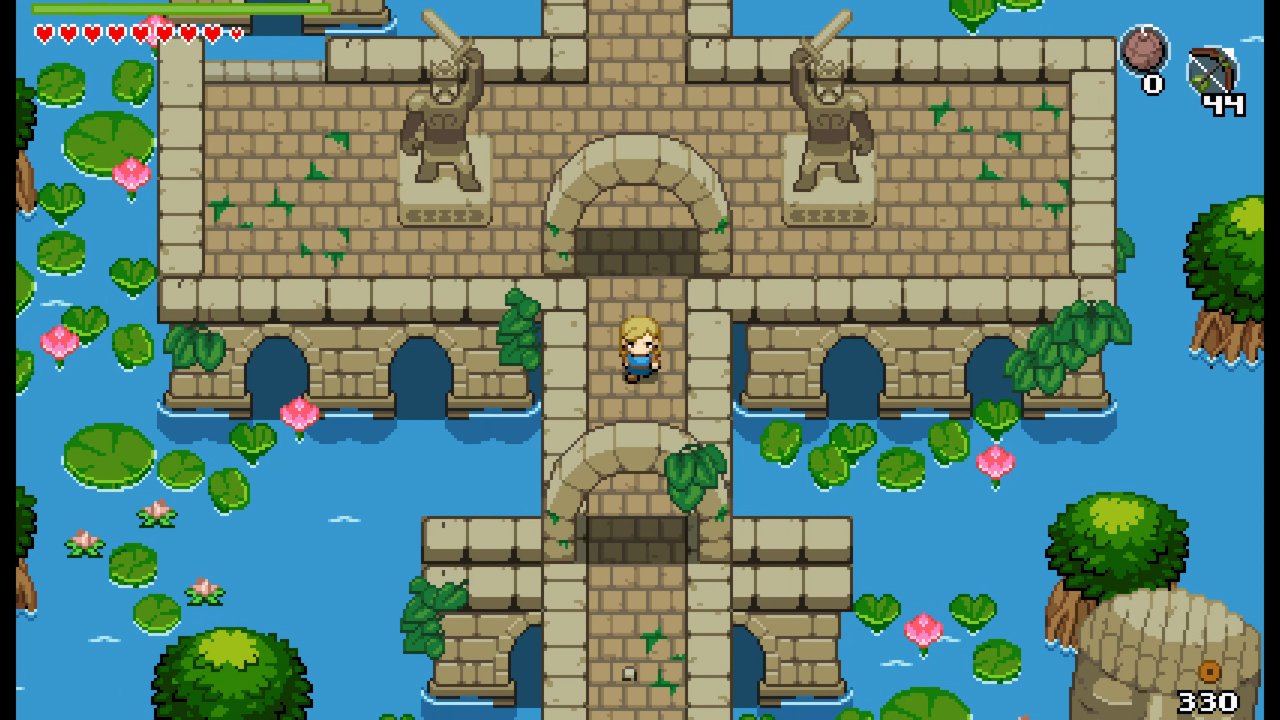
Another aspect that proves this concept is that many of the items in the world are somewhat optional. For example, you don’t technically need the early magic ability to reflect projectiles, but it makes the dungeon’s boss easier. Some items do appear to be required, but overall this open-ended aspect lands a lot stronger than Link Between Worlds’ second half, where you can just rent items to complete dungeons in any order. This changes the standard and gives the standard ‘I copy Zelda’ vibe a unique twist that I love. Keep up the good work (since this is a solo project).
Wind Waker
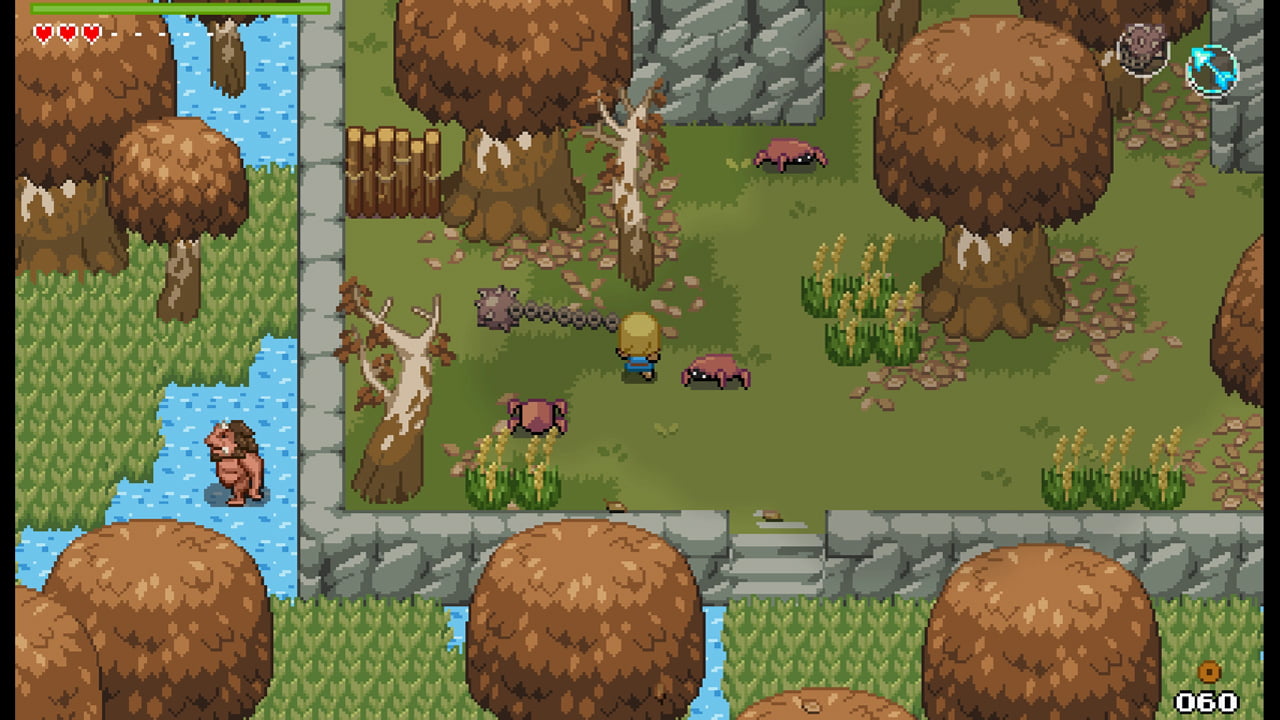
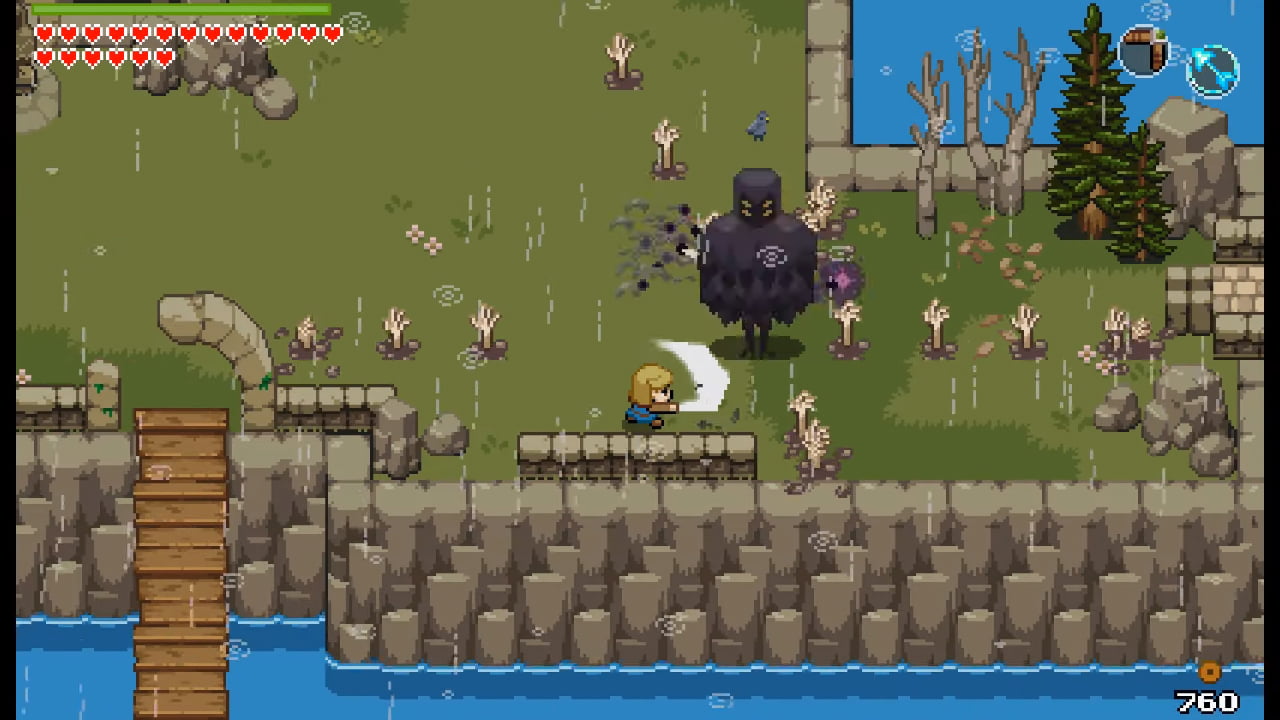
The world is set on various islands that are, at first, unknown to you. Just like with Zelda Wind Waker, you fill in your map as you explore, with holes also being filled in by talking to other characters and finding charts. So no more throwing fish bait! Sailing is more of a fast-travel method than any pure gameplay element, but the watery vibe shows up across the game’s pier-laden areas and pirate villains. The world here feels lived in, with well-written NPCs that have things to say about their place in all of this or the plight they’re in because of the pirates. It’s a good thing the writing is solid because, over time, the combat gets a little too button-mashy and straightforward. However, I understand that some might find this a bit too wordy (especially if you pick this up because you like Zelda). Powering up your sword and armor eventually makes the most effective method of progression to brute-force your way forward without numerous strategies.
Conclusion
Still, Ocean’s Heart is a tremendous experience, even with some rough edges. It feels like a combination between Wind Waker, Minish Cap, and Link Between Worlds. I love all these titles, so I’ll look past the hiccups I mentioned in the previous paragraphs. I’d love to see this game’s foundation build and grow because the promise is immense, and I’m happy it landed on the Nintendo Switch.
