
I’ll admit it, I’m a very boring gamer. If I had to pick a favorite game of all time, it would be Zelda: Breath of the Wild. Before that was released, probably Super Mario Bros. 3. My top 10 would contain Resident Evil 4, Super Mario 64, and Perfect Dark. I love Halo, have fond memories of Age of Empires, and think God of War is a masterpiece. Look – I get it, none of that is interesting. Those are route one opinions, not necessarily unpopular but also not exciting. And hey, here’s another one. In the last few years, I’ve really been getting into indie games.
The recent rise of indie games is well documented. For me personally, their prevalence on my shiny Switch is what has driven masterpieces from SteamWorld Quest to Celeste straight into my palms. Before that, it was Steam, which (despite numerous flaws) did help even the playing field to an extent for game distribution. These are just two examples, but everywhere you look indie games have been on the rise. Whether it’s their endorsement from larger publishers, such as EA Originals or Nindie Direct, to games such as Celeste being nominated for every award under the sun, indie games are proving themselves more than capable of going toe-to-toe with their richer cousins.
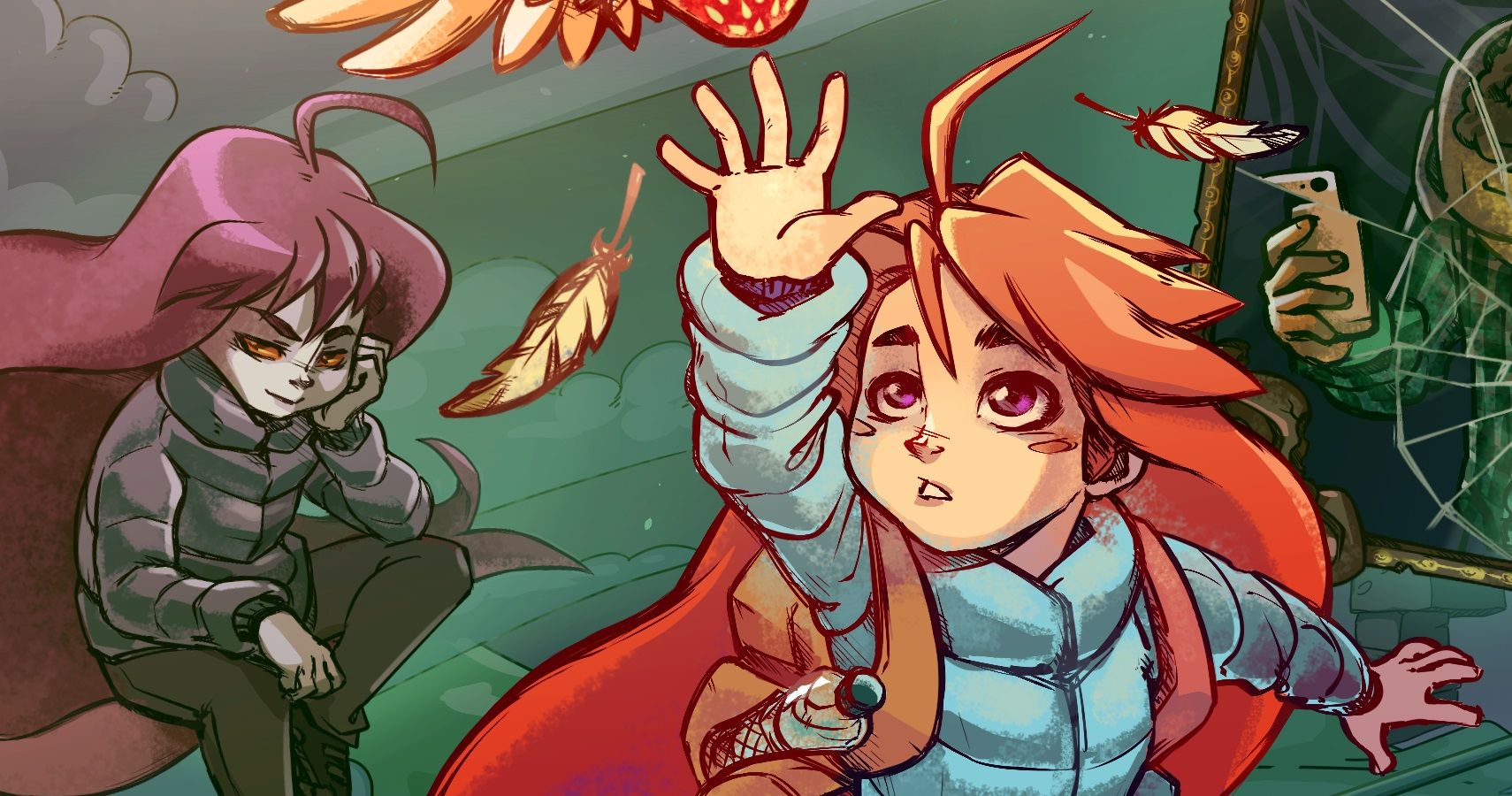
So, thanks to this ease of access, when I need a gaming itch scratched it is now to these indies I turn. The biggest reason for this is also the most unemotional – price. Buying a new game is always a risk, they are relatively expensive and there is no way you can guarantee that you will enjoy it. Every gamer has had that feeling of spending £50 on the best-reviewed, most hyped product only to bounce off it after a couple of hours. You can do meticulous research and be certain the game is right for you, but this is just managing risk – not removing it. Indie games are usually much cheaper, often under £20. That’s still a decent chunk of change to waste, but it does dramatically reduce the punishment of getting it wrong.
Thankfully, there are reasons beyond simple economics. While AAA games have a big budget hype machine (also known as marketing), indie games often have no such luxury. While some do have the weight of a bigger publisher behind them, most have to get by on their quality alone. Essentially, if you’ve heard of an indie game it’s probably because it’s quite good. With hundreds released each week, it’s only the real cream of the crop that get talked about enough online to make a buzz. This means, when perusing the eShop or Steam, if I’ve heard of something then chances are it’s because of the quality, not because of marketing spend. This means that I am, compared to AAA games, playing a non-representative sample of the best of the best, rather than the ones with advertising weight thrown at them.
It’s this money or relative lack of it, that is behind another reason why I think they stand out – they are able to take risks. Larger games have so much at stake, costing millions and taking years to make, that they are largely forced to play it safe. Indie games have had that same time and passion, but usually without suits breathing down their necks ensuring that the dollars roll through the door. This means that, in my opinion, you are much more likely to see true originality and risk-taking in these smaller games. This will leave you, ultimately, with a more memorable adventure. From deck building, steam-powered robots in SteamWorld: Quest to the slow-motion gunplay under the tutelage of a talking banana in My Friend Pedro, want to play something completely new? Then go for an indie.

This smaller scale also translates to much, much smaller teams working on a product. While this obviously hinders the scope of an end product, it does mean that often indies are the best example of an individual being able to put their mark on a game. They simply feel like more personal adventures, often telling a stark and relatable story. Stardew Valley famously makes people hark for a more simple life, while platformers such as Gris are a beautiful, if haunting, commentary on mental health.
I don’t want anyone to take this as a shot at AAA games, which I still love. They have proven repeatedly over the years that they are capable of magic, personal touches, and being unique. The first paragraph of this article referenced Breath of the Wild – a title with a huge budget but still retaining that magic feeling. Death Stranding divided audiences but showed that (for better or worse) large games didn’t have to dilute a single vision. Control, while on a slightly smaller budget, was able to take risks and provide a truly trippy experience in story and game-play. On the other side of the coin, there will be those that rightly points out that “indies” are just a by-word for pixel-art, roguelike Metroidvania. They have become an unoriginal cliché in themselves – and it’s true, there are certainly a lot of indie games out there which are less than engaging.
But I think that’s kind of the point. Indie games, and AAA games, are all just games – and perhaps we are doing them both a disservice by creating these arbitrary silos. Many indie games, after all, have relatively large budgets and teams working on them – when big studios get involved lines can often get blurred. Calling something AAA shouldn’t be a byword for blandness, just as it shouldn’t be a marker of quality. Equally, to say something is “the best indie” of the year almost feels like a qualifier. Surely releases such as Journey, Stardew Valley, and Celeste show that indie games have become as mainstream as any AAA series. I think, perhaps, the title of this article needs a re-think. I haven’t been turning to indies more and more, I’ve just been playing some beautiful, well-told and engaging video games.
