
Animal Crossing: New Horizons will always have a special place in my heart since it’s the one game that got me through the lockdowns. The original Switch game was released when the world closed down and offered the perfect escape from reality. I’ve spent hundreds of hours perfecting my island and talking to my neighbours on the original Switch, so I was rather pleased to learn about the Nintendo Switch 2 Edition. This upgrade comes at a low price, but is it worth upgrading? Let’s find out!
Animal Crossing: New Horizons
Like all other Nintendo Switch 2 Editions, this version takes everything from the original New Horizons as a starting point, meaning that everything that made the original release so captivating is still here. For the sake of this review, I’ll focus on the new content of the Nintendo Switch 2 Edition and the free 3.0 update that expanded the original game with even more content. If you’re new to Animal Crossing: New Horizons and want to learn more about the game, I invite you to read my original review:
The 3.0 update
Just before Nintendo released the Nintendo Switch 2 Edition, it released the free 3.0 update, available on Switch 1 and 2. Now, this free update came as a huge surprise to a lot of friends because the original game received a ‘final update’ in the past. It’s rare for Nintendo to come back on a previous statement, but I’m glad they did because this update certainly has a lot to offer. At its core is Kapp’n’s new Resort Hotel, built onto your island’s dock and functioning as a reworked take on Happy Home Paradise. You design themed rooms for visiting guests, earn Hotel Tickets, and spend those on exclusive items at Grams’ souvenir shop. The loop is simple, cozy, and undeniably charming, but it’s also hard to ignore how closely this mirrors a DLC many players paid for years ago.

That mild bitterness fades once the hotel starts breathing life into your island. Guests wander around, visit the museum, shop at Nook’s Cranny, and even wear outfits you assign to mannequins. It’s a small change, but it makes your island feel inhabited in a way New Horizons often struggled with post-credits. Tom Nook’s new island specialty requests add another layer to that loop, pushing you to craft signature items that represent your island’s identity. It’s still very much a currency-for-cosmetics treadmill, but the new furniture sets are genuinely exciting for anyone who still cares about filling out their catalog.
The boldest addition is Slumber Island: up to three fully separate islands with unlimited resources, instant terraforming, and zero pressure. It’s pure creative freedom, finally answering years of player anxiety around “ruining” their main island. The downside is that it’s deliberately disconnected; nothing you build there feeds back into progression, achievements, or your catalog. It’s liberating, but also oddly isolated. It’s a fun way of giving you a lot of freedom, and I love spending some time working on and visiting Slumber Islands. It’s great to have that type of creative freedom for sure, even though it’s not really connected to the main experience.
Aside from these two content-focused updates, 3.0 also came with some needed quality-of-life improvements. Resetti’s new reset service feels like the biggest one here. He can clear large sections, or even all of your island, storing up to 9,000 items safely for later. For returning players, it’s a godsend since you can now easily change parts of your island without having to spend hours cleaning up. Combine this with other updates like multi-crafting, and you understand that Nintendo truly listened to veteran players’ feedback.
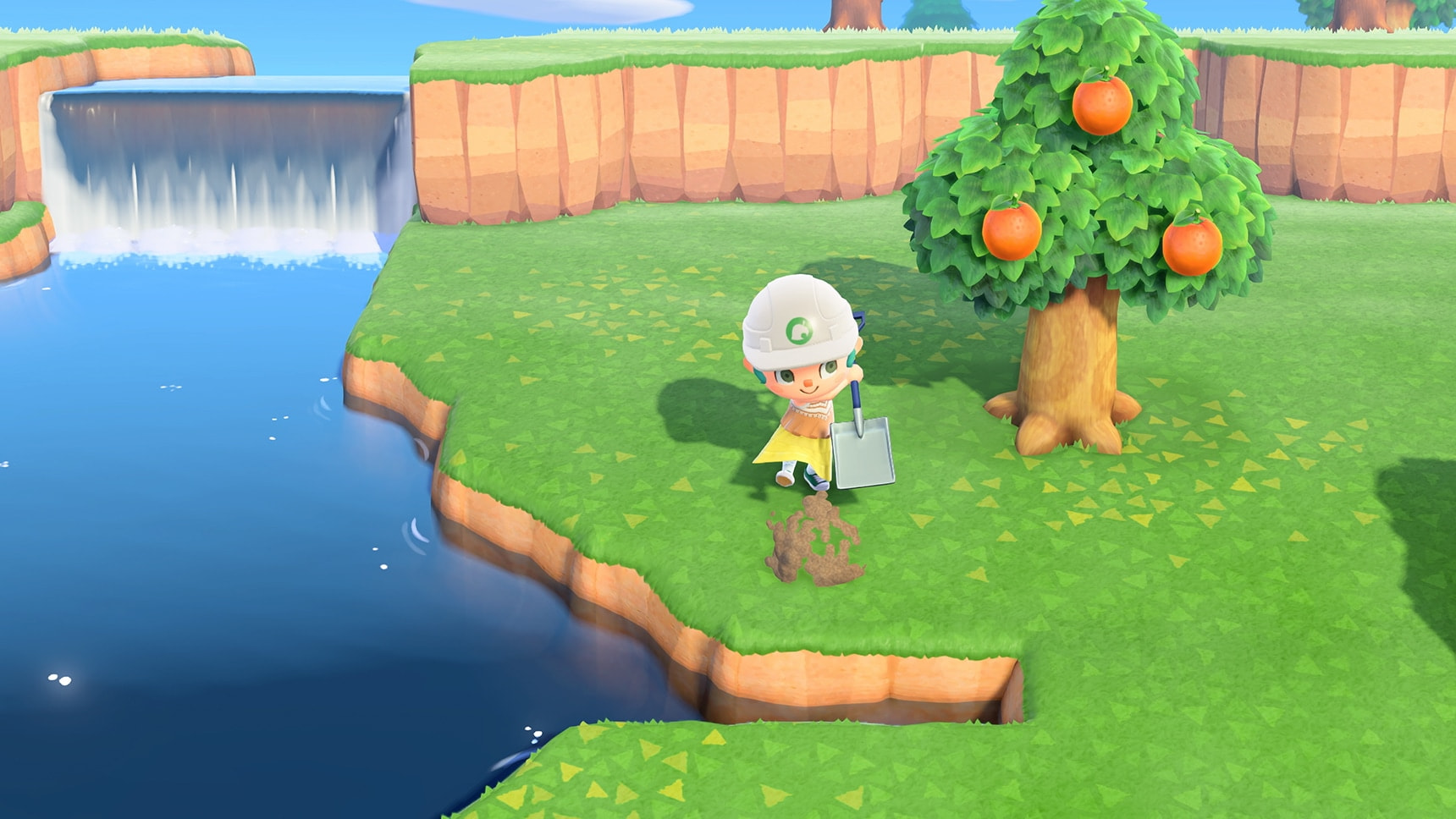
Finally, 3.0 leans hard into fan service. Nintendo, LEGO, Zelda, and Splatoon crossover items are now widely available, Pocket Camp exclusives are finally unlocked for everyone, and you can dress up as some of your favorite legendary characters. After years of familiar faces, that alone gives the game a welcome jolt of novelty. 3.0 also marks the return of playable retro games, but you’ll need an NSO subscription to be able to play them. All in all, it’s safe to say that this update really pushes Animal Crossing: New Horizons to the next level. But what about the Switch 2 Edition?
Nintendo Switch 2 Edition
The Nintendo Switch 2 Edition of Animal Crossing: New Horizons exists for one clear reason: to finally let the game use the hardware it was never built for. That also immediately sets expectations. If you’re looking for new storylines, new long-term goals, or meaningful gameplay twists, this isn’t where Nintendo delivers them. That role is firmly reserved for the free 3.0 update.
What you do get for the modest upgrade price is a collection of Switch 2-specific features that smooth out the experience instead of expanding it. Visually, this update brings the game to 4K graphics. The image is cleaner, colors pop a little more, and island traversal feels steadier both in handheld mode and docked. It’s all very stable, but for the sake of the gameplay itself, the Switch 2 Edition runs at 30fps, just like the original. The 4K upscaling is noticeable for sure, but it doesn’t feel like the next evolution for the franchise just yet.

The most interesting addition is mouse control via the Joy-Con 2. In theory, it’s a perfect fit for Animal Crossing’s constant dragging, rotating, and designing. In practice, it works well once you adjust, but it’s also situational. You need a decent surface, and it’s not something you’ll want to use all the time. Still, for interior design, pattern creation, and fine placement, it’s a genuinely welcome option rather than a gimmick.
Multiplayer sees a technical upgrade as well, with support for larger online groups and GameChat integration. Being able to talk and even see friends while visiting islands is charming, but it also comes with practical caveats. Not everyone owns a compatible camera, and for most players, twelve simultaneous visitors feels more theoretical than essential. It’s nice to have, but hardly a selling point on its own.
The only truly new “content” comes in the form of the megaphone, letting you call villagers directly. It’s amusing the first few times, and occasionally convenient, but it also runs counter to the slow, wandering rhythm that defines Animal Crossing. I found myself using it far less than expected, preferring the quiet ritual of searching my island instead.
What stands out most is the contrast between this paid upgrade and the free 3.0 update. The latter adds systems, loops, and creative tools, while the Switch 2 Edition mostly unlocks hardware features. That doesn’t make it bad, but it does make its priorities very clear. If you already love New Horizons and plan to spend more time on your island, the Switch 2 Edition is an easy recommendation. If you were hoping for a reason to return based on new gameplay alone, the free update does far more of the heavy lifting. The Switch 2 Edition doesn’t change what Animal Crossing is, but it does give you the best version of the moment.
Conclusion:
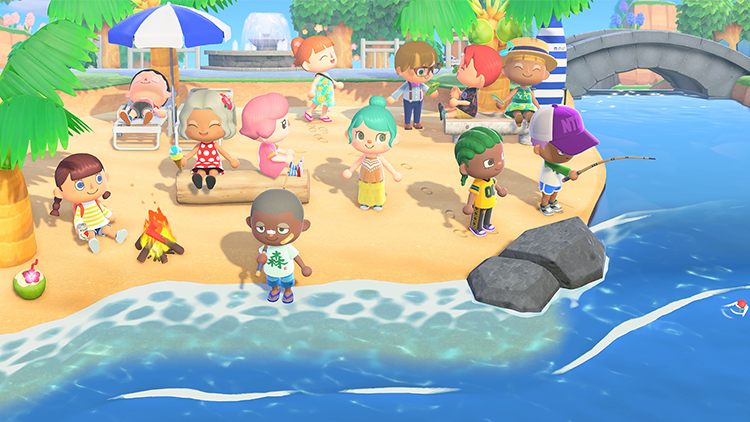
Animal Crossing: New Horizons remains a deeply comforting experience, and in 2026, it’s still easy to get lost on your island. The free 3.0 update adds meaningful content and long-requested quality-of-life improvements that certainly offer more than enough content for both new and returning players. The Nintendo Switch 2 Edition itself is more modest, focusing on stability, visual clarity, and convenience rather than new gameplay. Together, they form the most complete and comfortable version of New Horizons to date.
