
During Gamescom 2024, I had the pleasure of diving into Life is Strange: Double Exposure where I puzzled my way out of two dimensions. The demo let me step bacn into the shoes of Sam, who tries to save Moses from a bad situation. The catch? Moses has stolen a camera; a key piece of evidence in a murder investigation… Let’s jump some dimensions!
A puzzle game
What sets Double Exposure apart from its predecessors is its use of dual timelines. In the demo, I found myself constantly flipping between two versions of the world; one where Safi is alive and another where she’s met a tragic end. This isn’t just a storytelling gimmick; it’s core of how you interact with the world.
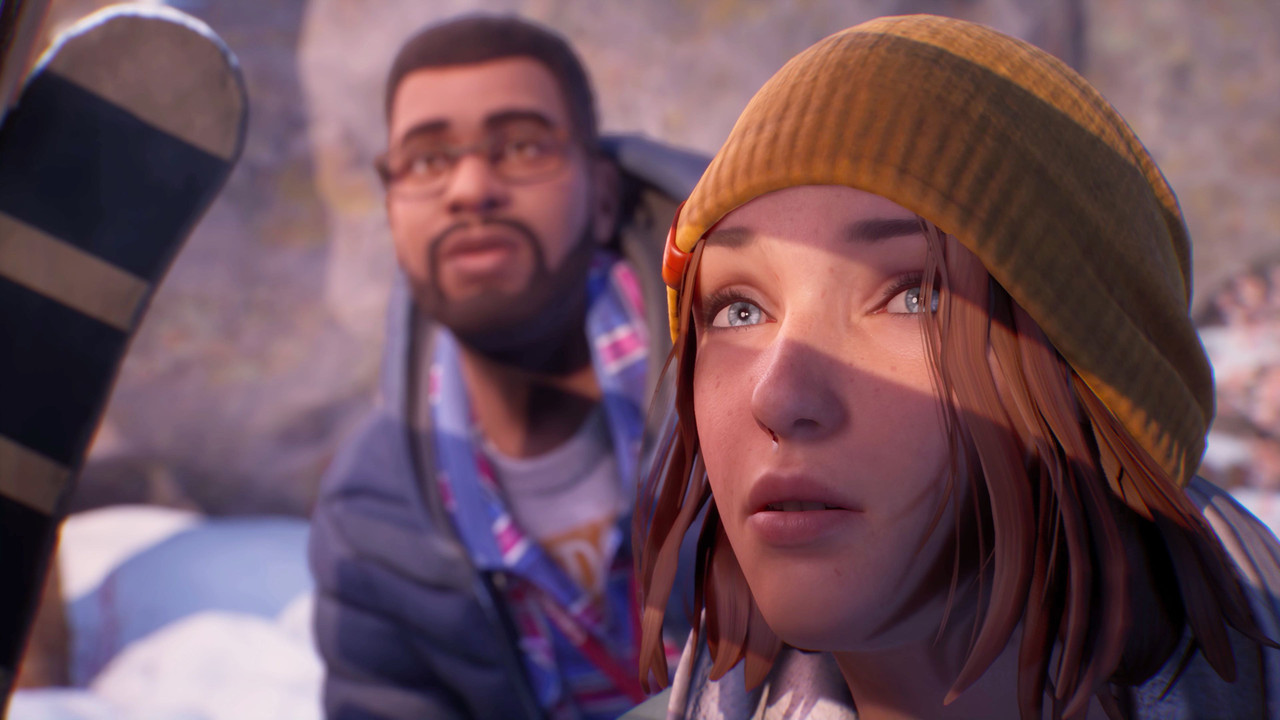
The puzzles in the demo were really the beating heart of the level, forcing me to think creatively about how actions in one reality could influence outcomes in the other. For instance, Moses might give a hint in the timeline where Safi is dead that only makes sense if you’ve already seen the alternate version of events. It’s a clever mechanic that forces you to think outside the box. What object am I looking for? Can I take it with me in the other reality and use it to solve a problem? Some clever gameplay indeed!
Impressive technologie
One of the most technically impressive aspects of the demo was how it handled these transitions between realities. There were no load times, no stutters; just a smooth, instant shift from one reality to the other. This allowed me to quickly gather information or check on something in the alternate timeline without breaking the flow of the game, which of course was crucial for the way it played.
It’s the kind of feature that feels like it could only exist on the latest consoles so I’m really curious to see how this will work on the Nintendo Switch version. The technology doesn’t just serve to impress; it’s deeply rooted to the gameplay, making each decision feel impactful across both timelines.

Like all other Life is Strange games, dialogue choices play a crucial role in how the story unfolds. The demo wasn’t an exception and made making these choices feel heavy. In one timeline, a seemingly minor decision might lead to major consequences in the other, creating lots of different possibilities in the end. Something I’m looking forward to explore a bit more.
Early conclusion:
The demo of Life is Strange: Double Exposure left me wanting for more. The smart integration of dual realities, the iconic choices, and the seamless transitions between timelines all point to a game that could very well be one of the best in the series. It’s clear that the developers have taken everything that made the original games special and pushed it to the next level.
