
Lords of the Fallen might sound familiar. A game with an identical title was released in 2014 to take a stab at the Soulslike genre. The game fell short of what FromSoftware delivered and was mostly overshadowed by better Soulslike iterations. A potential sequel was stuck in development limbo for years. With the original title fading away in obscurity the people from Hexworks decided to reboot the series under the original name.
Prevent Adyr’s resurrection
When the Judges defeated the demon god Adyr they knew peace in Mournstead was only temporary. Gods can’t be kept down forever and an imminent resurrection was always in the cards. The hallowed sentinels were formed to act as a beacon to prevent Adyr’s rise from the depths of the underground. Sadly, one by one the sentinels fell and demon hordes flooded the kingdom. As a disciple of the radiant god, Orius, you are the only hope left to prevent this cataclysmic event that could lead to mankind’s demise. You as a dark crusader also become a lamp-bearer granting you different magic options to annihilate the vast amounts of demons roaming around – including atrocious big bosses.

So what’s new?
Lords of the Fallen – the original from back in 2014 – fell short of what was intended. The reboot made sure to not make the same mistake and instead went all out. A whole new interface and an epic gothic-looking world was created. Bits of the original game’s lore is referenced but people can go in totally unbeknownst of the original game and not miss out on anything. The game draws heavily on the Demon Souls games but does it more in a hommage kind of way instead of just copying Fromsoftware’s homework. The people behind Hexworks are very open about this as they tended to make a sort of non-canonical Demon Souls 4 with a few newly added gimmicks to differentiate a bit.
Shine a light
The game uses all the classic Soulslike tropes. People familiar with the genre will immediately feel at home in the dark setting of Lords of the Fallen. You’ll wander around Mournstead and recognize the classic spots enemies will be hiding in no time because you’ve played it already in the classics. Levelling up your character in this game is done at a “vestige”. Essentially a well-placed save point between hard areas. Sometimes these vestiges seem unreachable and as is always with these games, you’ll die a lot in trying to get to them. A vestige seed is introduced to grant you the ability to grow a temporary vestige in order to make the journey a bit more doable – or make the loss in progress a bit less painful.

Another new mechanic introduced is the Umbral lamp you carry with you. In Mournstead you spend your time in the Axiom which is the land of the living. The Umbral is the parallel realm representing the land of the dead. The Umbral lamp grants you the ability to switch between these worlds. This makes for a few unique gaming experiences. Some paths might be blocked in the Axiom world and can only be passed by switching to the Umbral world. Exploring the world has to always be done in both worlds in order to get the best out of your time in Lords of the Fallen. Going to the Umbral has an obvious drawback in the fact that the enemies are much harder. With each minute spent in the Umbral, your presence gets known to the demons. Staying in the Umbral for longer periods might get you more experience but is also likely to get you killed. Escaping back to the Axiom can only be done when reaching certain beacons within the world.
Soul snatching
Using the Umbral lamp comes at a risk. Luckily you can just “shine a light” to peak through the other side without committing fully. The lamp can also be used to manipulate demon souls. A soul can be flayed from a demon to temporarily slow it down and slash away at the soul first before performing a Grievous Strike on the actual demon. In some places, you can manipulate the soul to force a demon off a cliff instead of having to pierce it with your sword. This combination of the umbral lamp, melee weapons, ranged weapons and magic gives the players a lot of possibilities to find the ideal play style.
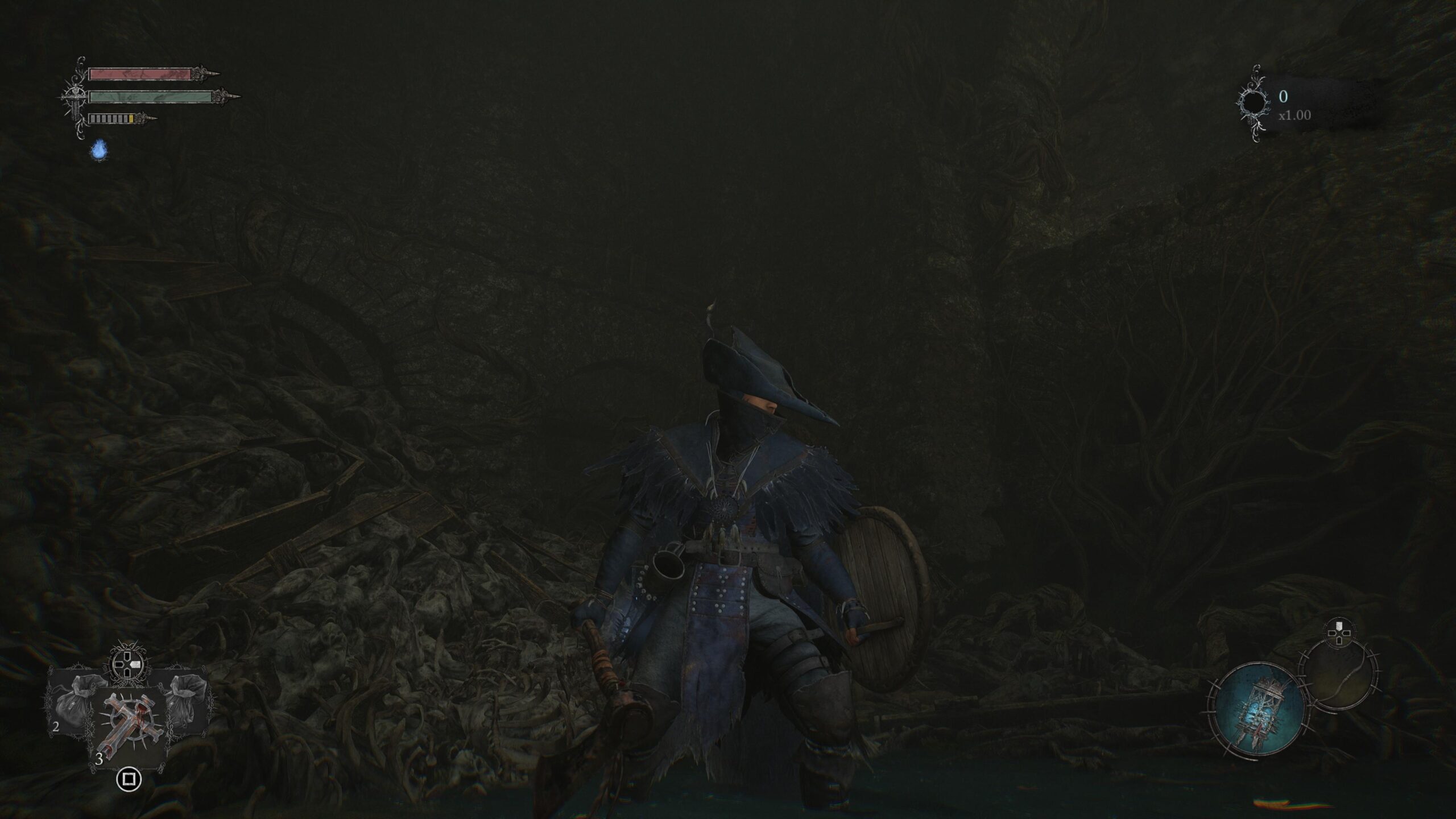
Optimizing the way you play the game to your own liking will be necessary to be successful. With 10+ possible classes, there is certainly a play style that will suit you. Although you might feel like a total badass once you’ve gotten the hang of the game, you’ll eventually be humbled again by a bigger and better enemy. When you die in the Axiom, you get a second chance of survival by being revived in the Umbral. This second chance has the odds stacked against you but at least gives you another fighting chance to not lose your progress. Dying in the umbral is final and is to be avoided at all costs.
Multiplayer
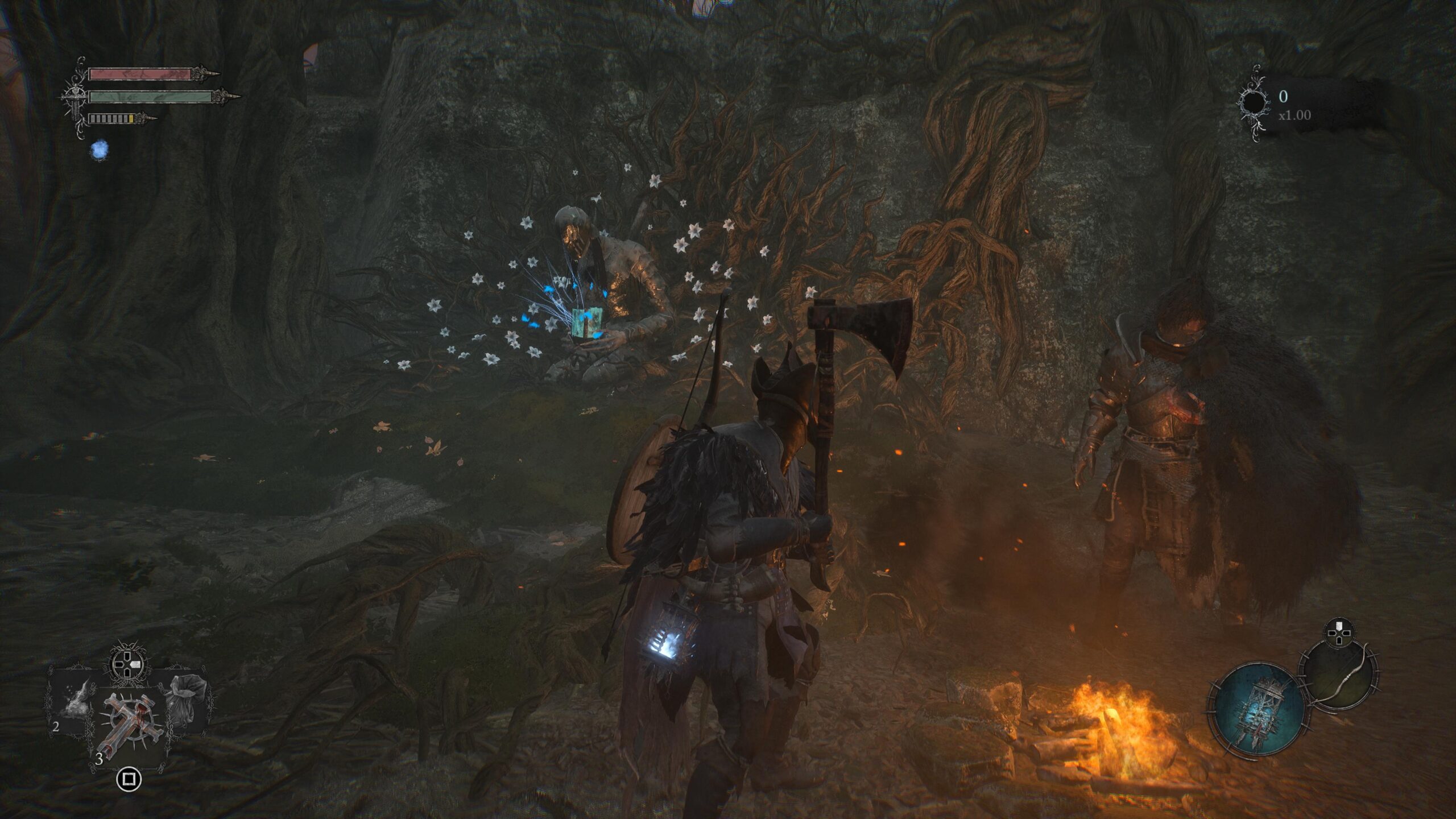
The game is intended to be as hard as most of the Soulslike games are. By gathering experience, you can beef out your character to have a bigger fighting chance. Through collecting runes and gear you can also maximise the damage output of your attacks. When reaching a plateau you can always grind a level and collect more Vigor or get better loot before attempting a harder passage. Another thing you could do is ask a friend to join your game. This substantially makes the game more manageable. Along with help from friends, you could also be invaded by other players with – let us say – ill intent. This can make the experience less predicted but with a game that is stacked to the brim against you reaching success, you might just toggle this feature off.
Conclusion
Lords of the Fallen is a great Soulslike action RPG to rival the originals. The Umbral Lamp and the switching between Axiom and Umbral is the real selling point of this game. This mechanic adds a new twist to the already saturated genre and sets this one apart from the rest.
8/10
tested on Playstation 5
