
When you mix visual novels with a Japanese slice of life in a voxel style, what do you get? Well, basically, The Kids We Were, a love letter to Japan in the 1980s, is a welcoming surprise for those who have an interest in Japan and its culture. Think of it as Back to the Future x Japan Slice of Life anime. Yes, up to speed? Time to dive in.
The Kids We Were
The Kids We Were is a walking sim with visual novel elements and offers a wide range of emotions to discover and deal with. It’s definitely not a game for everyone since it deals with many heavy themes, handled with care and with a certain refreshing bluntness. It’s not a game you want to binge since it’s best experienced in short playing sessions – not only since progress is slow but also due to said themes.
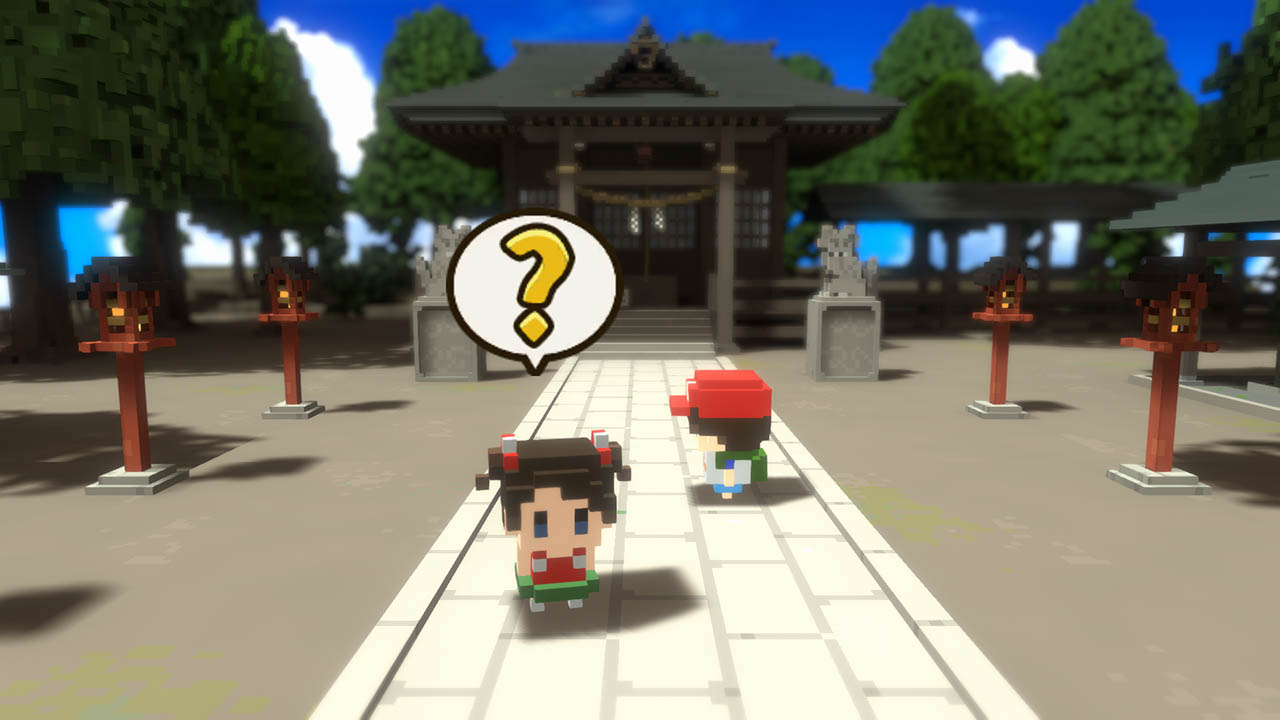
Our story begins with Minato arriving in the small town of Kagami, an exceptionally ordinary sort of place in a sleepy suburb of Tokyo. But there’s more to this simple trip than meets the eye. Minato has a secret objective: he intends to find his missing father, supposedly living somewhere in the area. Our young sleuth Minato wastes no time getting started and soon finds a puzzling clue to his father’s whereabouts. A mysterious notebook left for him with the portentous title “The Seven Mysteries.”Minato sets out on a long and difficult journey with this notebook as his guide, not through space but through time. His destination is none other than 33 years in the past—the day his father and mother first met!

Back to the Past
It was in 1987 that the notebook started its haunting trial. A notebook full of a small town’s local legends and the advice to “find Nozomi” are the only clues he has to go on for the urgent task of fixing the future, which makes it a Back to the Future meets Japanse slice of Life adventure. To add even more aspects of the slice of life, you cross paths with a group of kids united in their distrust of adults. This sets the wheels in motion for an adventure-filled summer holiday and more somber questions about life and family. As a parent, it made me sad about the life some of the kids growing up alongside mine are having.
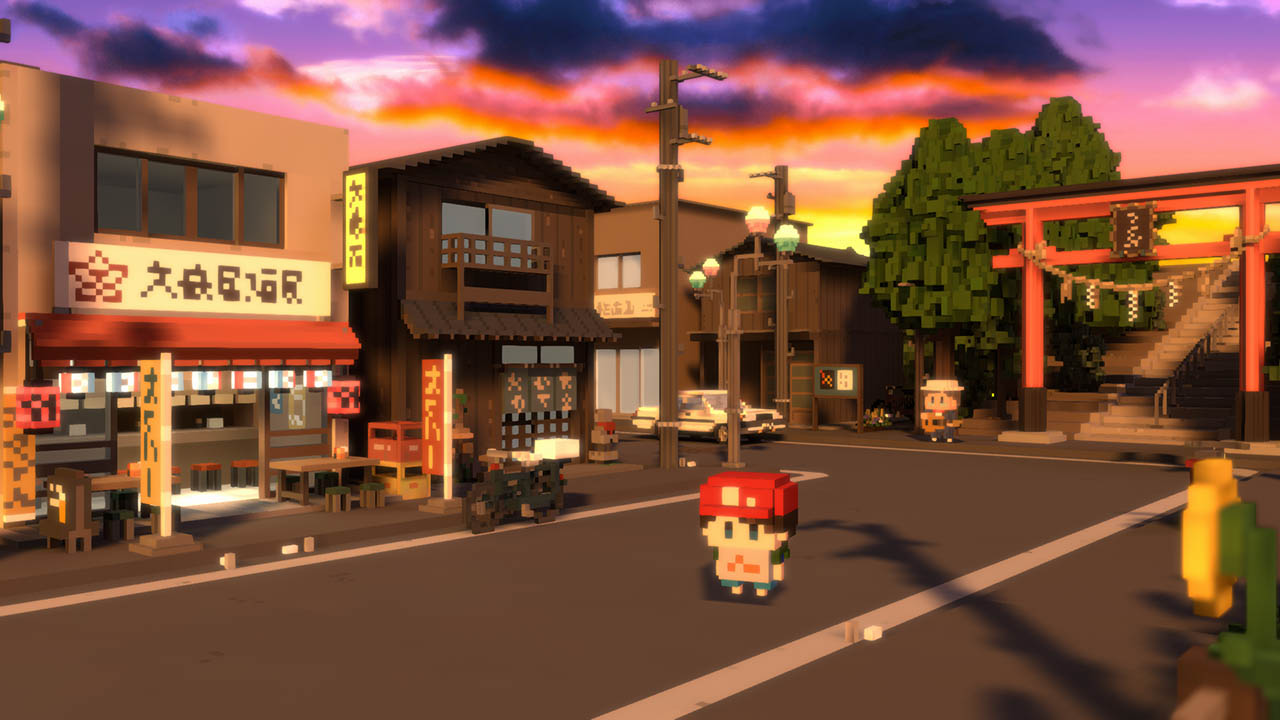
The way it so effortlessly weaves these things together makes The Kids We Were really stand out. Despite the heaviness of its central themes, there’s a lighthearted air to most of the game. Minato and the rest of his ragtag crew are energetic, playful kids who mostly want to (and do) have fun. It feels like childish fun most of the time, and it gives a little bit of a sense of childhood bliss that adults often linger for.
Cultural Setting
I love Japanese culture and history in general, so when a game challenges me to travel back in time to the 80’s Japan. I imagine that people familiar with both the setting and are from the 80s will create a sense of nostalgia. In this backdrop, you search for clues and collectibles – which both resemble items from an age long gone (even though I recognized a lot, which makes me old, doesn’t it). Kagami village is the warm comfort of revisiting childhood, even if it may not be your own.
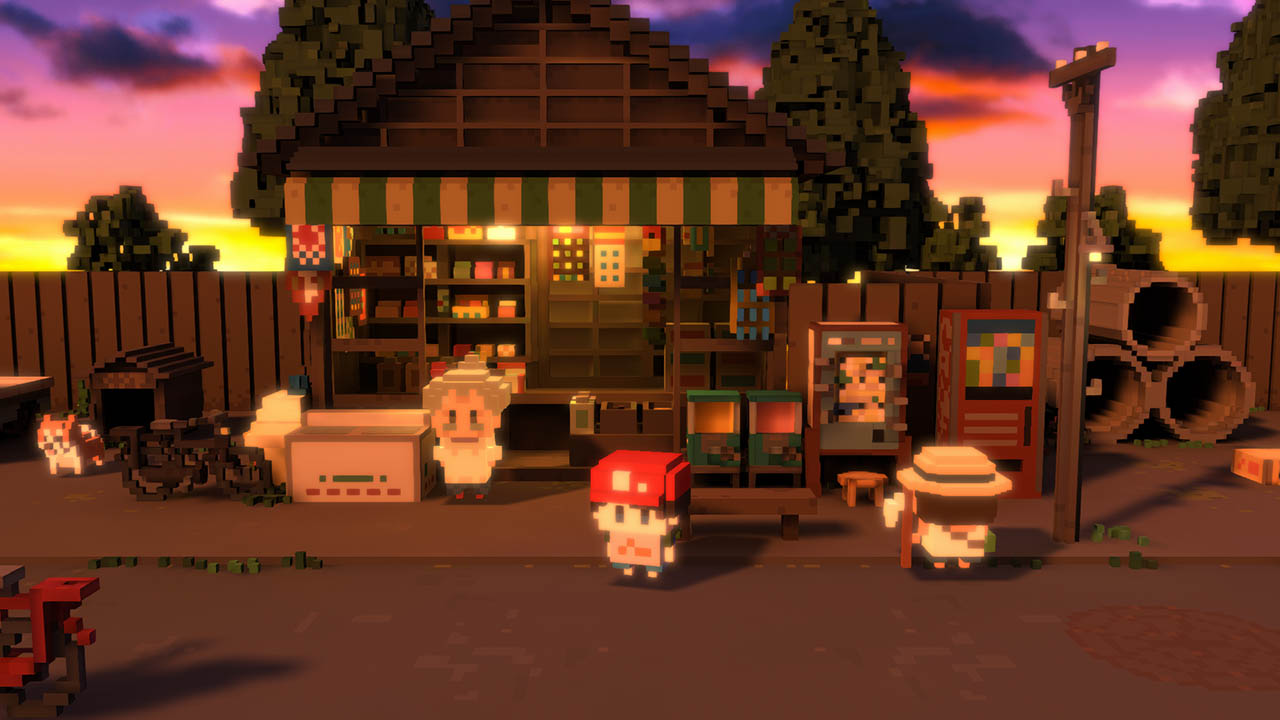
It’s in this setting that The Kids We Were develops its story. To some extent, each of these kids is defined by their trauma—how could they not be?—but they also get to be lively, happy, whole people beyond that. The depth of characterization, aided by an especially well-written English translation, makes each of these kids feel real and relatable, and that’s the crucial groundwork for the game’s direction. The combination of both time travel and the nostalgia trip give The Kids We Were its groundbreaking core concept; they both feed the question of how the past defines the future. To what extent do our childhood experiences determine the kinds of adults we turn out to be? What role do our choices play? If you could go back and change the past to fix things, would you? And what can I do as a parent of two girls to make sure they develop into adults that both themselves and I can be proud of.
Conclusion
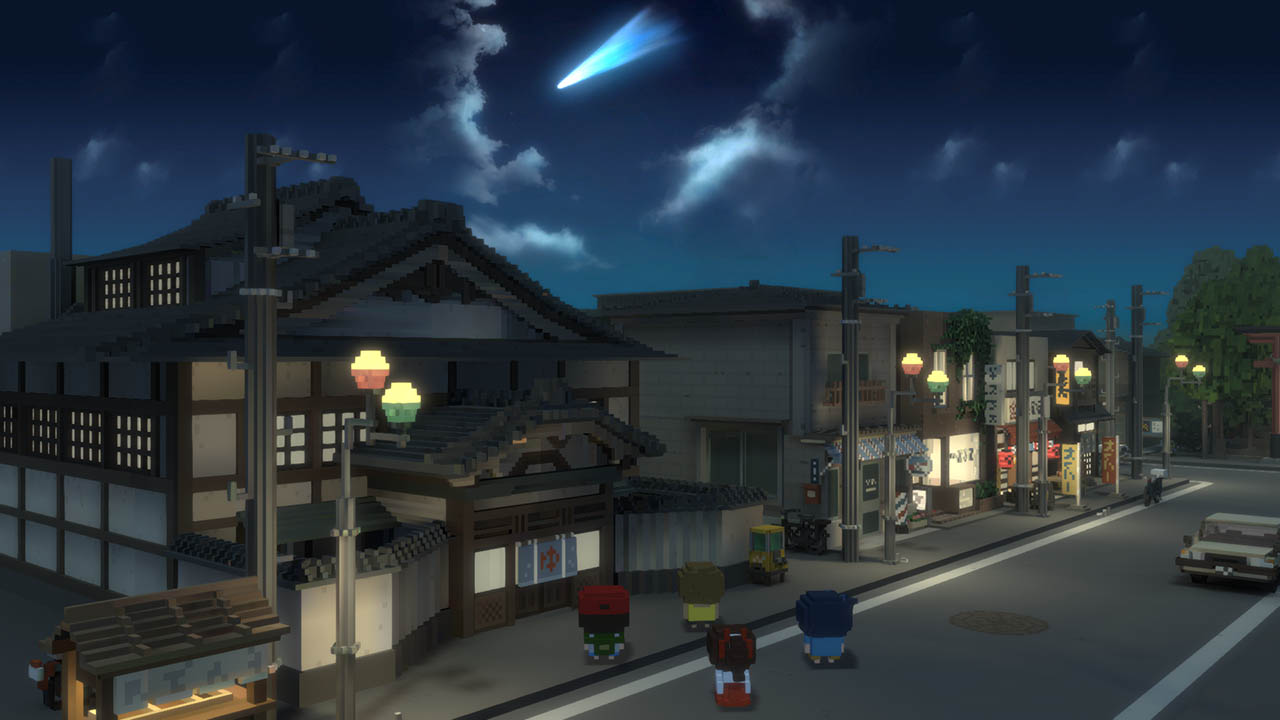
Even though it’s a painful journey, The Kids We Were offers an honest, heartbreaking story about a tough subject, approached with utmost care and confronting for it. It offers a great insight into how a Visual Novel can be done differently than we see normally. For the fans of the genre, this is one must-play.
